 how-to
How to Avoid Crowds at the Grand Canyon: 7 Proven Strategies
Table of Contents
- Why Crowds Matter at the Grand Canyon
- Best Time of Year to Visit the Grand Canyon
- Start Your Day Early to Beat Peak Hours
- How Many Days for a Grand Canyon Trip Without Feeling Rushed
- Strategic Route Planning: Shuttle Bus and Less Popular Viewpoints
- Private Grand Canyon Tours From Sedona and Other Pickup Locations
- Practical Tools and Timing Hacks for Real-Time Crowd Management
- Conclusion
Last Updated: August 27, 2026
How to Avoid Crowds at the Grand Canyon: 7 Proven Strategies
Millions of visitors descend on the Grand Canyon each year, with peak-season days drawing upward of 10,000 people to the South Rim alone (nps.gov). The result is congested overlooks, long dining lines, packed shuttle buses, and a sense of rushing through one of the world's most spectacular landscapes. But avoiding crowds at the Grand Canyon doesn't require luck or insider connections, it requires strategy.
This guide from Grand Canyon Journeys breaks down the practical, actionable tactics that travelers use to experience the canyon with space to breathe, time to absorb the views, and the flexibility to move at their own pace. Whether planning a day trip or a multi-day visit, these approaches transform a potentially overwhelming experience into something genuinely memorable.
Why Crowds Matter at the Grand Canyon
The Grand Canyon South Rim sits at approximately 7,000 feet elevation and serves as the most accessible entry point for the majority of visitors. When crowds peak, the experience deteriorates quickly: parking fills by mid-morning, popular overlooks become shoulder-to-shoulder viewing platforms, and the sense of wilderness evaporates.
Beyond the obvious frustration, crowds create real logistical problems. Shuttle buses reach capacity, forcing visitors to wait for the next departure. Popular trailheads develop bottlenecks that compress hiking timelines. Restaurant reservations vanish weeks in advance, leaving visitors with limited dining options. Photography becomes nearly impossible when every vantage point is packed with people and their phones.
The crowding issue isn't incidental, it's structural. The park's infrastructure was designed for a different era of visitor volume. Understanding this helps explain why certain strategies work: they sidestep the bottlenecks entirely rather than fighting through them.
National Park Service South Rim visitor statistics
Best Time of Year to Visit the Grand Canyon
The single most effective way to avoid crowds at the Grand Canyon is choosing when to visit. Timing matters more than any other factor because it determines whether the park operates at comfortable capacity or complete saturation.
Peak season runs from March through October, with July and August representing the absolute busiest months. Expect full parking lots, packed overlooks, and wait times for shuttle buses. These months draw families on school breaks and international tourists escaping winter weather.
Shoulder season, late February through early March and September through early October, offers a middle ground. Crowds are noticeably lighter than peak season but the weather remains pleasant. Fall shoulder season is particularly underrated: temperatures are comfortable, visibility is typically excellent, and the park feels manageable.
Off-season runs November through February. Winter brings cold temperatures (the South Rim can dip below freezing), occasional snow, and reduced daylight hours. But the reward is dramatic: overlooks are genuinely quiet, parking is abundant, and the sense of solitude rivals any backcountry experience. Many visitors dismiss winter entirely, which paradoxically makes it the best-kept secret for avoiding crowds at the Grand Canyon.
Late February and early March represent a sweet spot: winter's worst weather passes, spring warmth begins, yet crowds haven't surged. September and early October offer similar advantages for fall travel.
National Park Service seasonal visitor patterns
Start Your Day Early to Beat Peak Hours
Arriving before dawn or at first light is one of the most reliable tactics for avoiding crowds at the Grand Canyon. The difference between 6 a.m. and 9 a.m. is dramatic: early arrivals enjoy empty overlooks, available parking, and shuttle buses that aren't yet at capacity.
This strategy works because the majority of visitors follow predictable patterns. Most people arrive mid-morning after breakfast or a leisurely hotel departure. Tour groups operate on set schedules that rarely begin before 8 a.m. Day-trippers from Flagstaff, Williams, or Sedona typically depart their hotels around 7 or 8 a.m., adding an hour or more of drive time before reaching the park.
Sunrise at the Grand Canyon is genuinely worth the early start. Golden light fills the canyon, shadows create dramatic depth across the rock formations, and the air is typically clearer than later in the day. Photographers and serious sightseers recognize this, which is why early morning is worth the sacrifice of sleep.
The practical approach: depart your hotel by 5:30 or 6 a.m. to reach the park entrance by 7 a.m. Spend the first two hours exploring overlooks while they're quiet. By 9 a.m., when crowds begin arriving, move to less popular viewpoints or head below the rim if hiking is part of the plan.
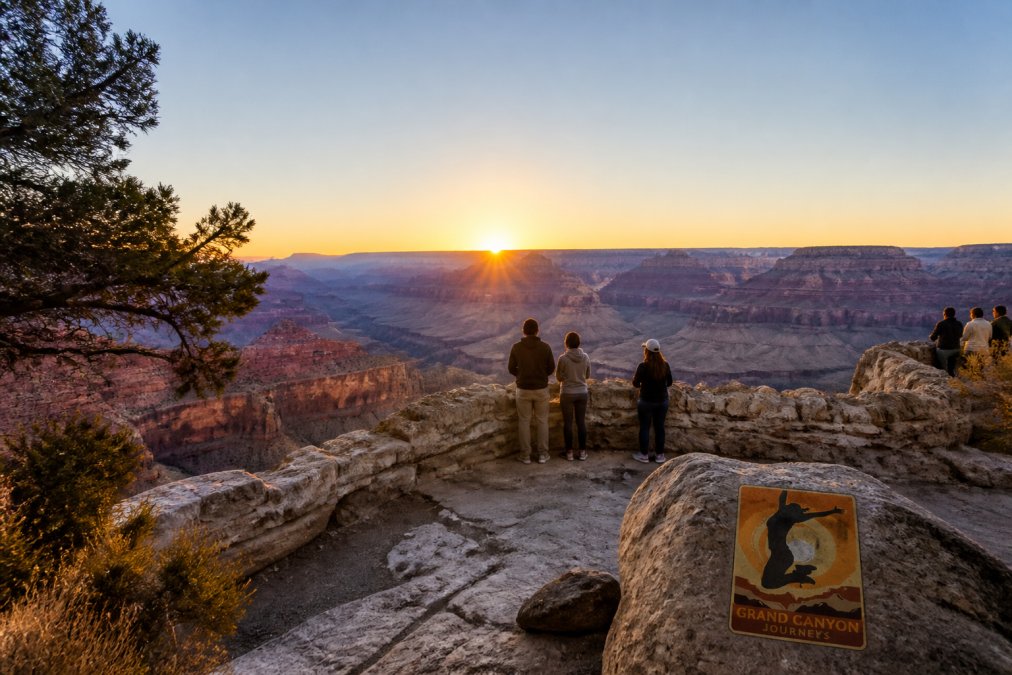
For visitors staying in Sedona, Flagstaff, or Williams, the early-departure advantage is particularly pronounced. The drive from these towns takes 1.5 to 2.5 hours, making an early start essential anyway, but it also ensures arrival during the quietest window of the day.
How Many Days for a Grand Canyon Trip Without Feeling Rushed
One of the most common mistakes is underestimating how much time the Grand Canyon actually requires. A single day can work, but it often feels hurried. The real question is how many days allow genuine exploration without the sensation of constantly checking the clock.
One full day covers the basics. Arrive early, visit 4-6 major overlooks, possibly include a short rim walk or easy trail, and depart by mid-afternoon. This works for visitors with limited time, but the pace is brisk and the experience feels surface-level.
Two full days is the minimum for a more relaxed visit. The first day can focus on the South Rim's main overlooks and perhaps a short hike. The second day allows exploration of Hermit Road or Desert View Drive, both scenic routes that reward a slower pace. Two days also permits a meal at the historic El Tovar without feeling rushed.
Three days or more allows genuine depth. This timeline accommodates a full day of hiking below the rim, extended time at less popular viewpoints, flexibility to adjust based on weather or personal energy levels, and the mental space to actually absorb the landscape rather than simply photographing it.
The elevation at the South Rim (approximately 7,000 feet) affects physical demands more than many visitors expect. Even light hiking at this elevation requires acclimatization. A rushed schedule compounds this: visitors arrive at sea level, immediately ascend 7,000 feet, and push themselves into activity without adjustment time. Spreading the experience across two or three days allows the body to adapt naturally.
For families with children, additional time is essential. Kids tire more quickly at elevation, need more frequent breaks, and genuinely benefit from a slower pace. A three-day visit with kids is far more successful than a rushed single day.
Strategic Route Planning: Shuttle Bus and Less Popular Viewpoints
The Grand Canyon South Rim offers multiple scenic routes, but most visitors cluster at the same handful of overlooks. Strategic route planning means using the shuttle bus system and deliberately visiting less popular viewpoints to avoid crowds at the Grand Canyon.
The shuttle bus system operates several routes that serve different areas. The Village Route connects lodging and services. The Kaibab/Rim Route provides access to major overlooks near the visitor center. Hermit Road operates seasonally (March through November) and serves nine scenic overlooks along a 7-mile loop. Desert View Drive extends 25 miles east and includes less-crowded viewpoints.
Most visitors concentrate on the Kaibab/Rim Route overlooks, creating bottlenecks at Mather Point, Yavapai Observation Station, and similar high-traffic areas. Hermit Road draws crowds, but less than the central overlooks. Desert View Drive is substantially quieter because it requires a longer drive and most day-trippers skip it entirely.
The strategic approach: use the shuttle bus to reach popular overlooks during early morning hours when crowds are minimal, then transition to less popular viewpoints as the day progresses. By mid-morning, head to Hermit Road or Desert View Drive where the atmosphere remains peaceful even when the central overlooks are packed.
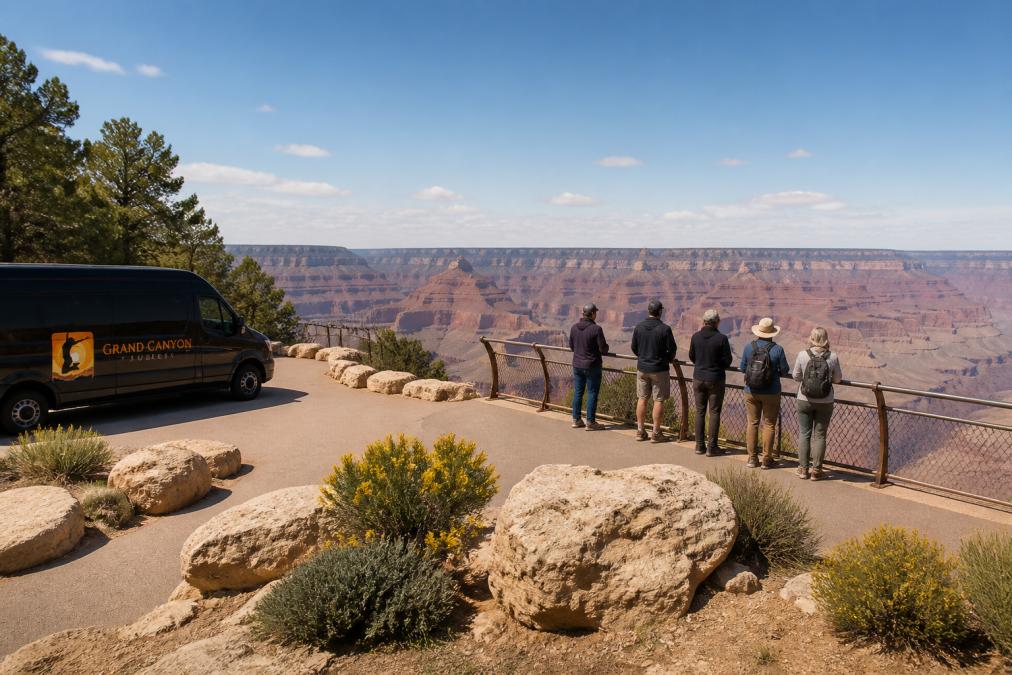
Less popular viewpoints worth exploring include Pima Point, Mohave Point (accessible via Hermit Road), Navajo Point (on Desert View Drive), and various overlooks along the eastern rim. These locations offer comparable or superior views to crowded alternatives, yet receive a fraction of the visitors.
The shuttle bus system is free with park admission, making it an economical way to explore multiple viewpoints without the stress of finding parking repeatedly. However, shuttle buses can reach capacity during peak hours. Using them during early morning or late afternoon maximizes their benefit.
Private Grand Canyon Tours From Sedona and Other Pickup Locations
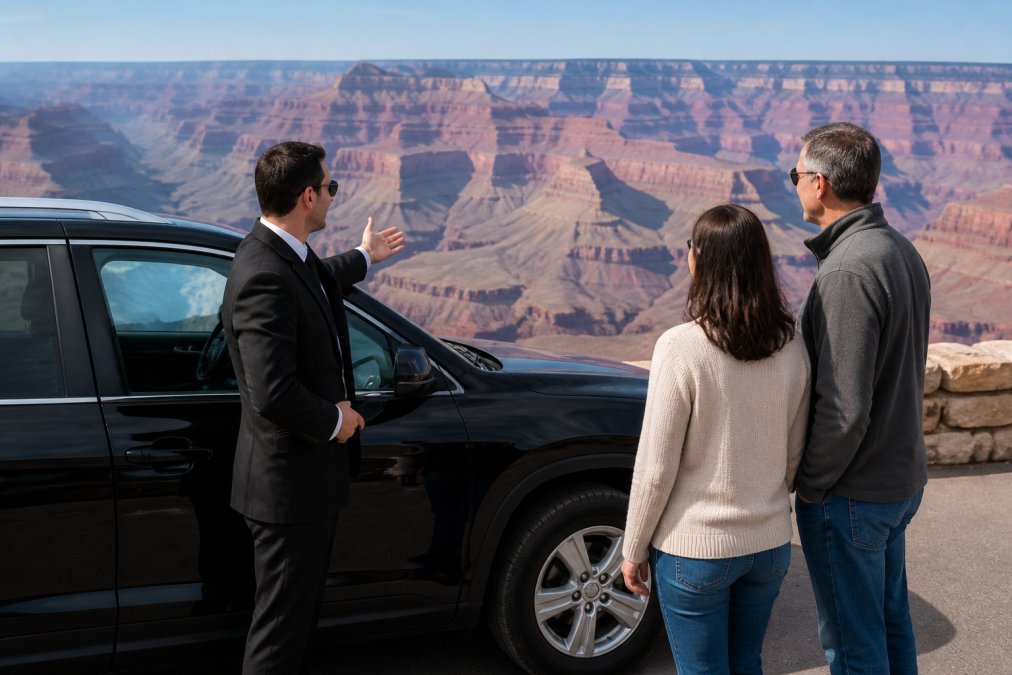
For visitors prioritizing comfort, flexibility, and personalized pacing, private tours offer a fundamentally different experience than self-guided visits or group bus tours. Grand Canyon Journeys operates 100% private tours with door-to-door pickup from Sedona, Flagstaff, Williams, and Tusayan, eliminating the logistical friction that often creates the rushed, crowded feeling.
Private tours address the crowd-avoidance challenge in multiple ways. A professional guide knows which overlooks are quiet at specific times, can adjust the itinerary based on real-time conditions, and has the flexibility to linger at less popular viewpoints without coordinating with a large group schedule. The guide can time overlook visits to avoid peak hours, suggest hiking options that match the group's actual fitness level, and navigate the park with knowledge that turns a generic sightseeing trip into something genuinely memorable.
The vehicle matters too. Upgraded Ford Transit vans with comfortable flexible seating provide a relaxed atmosphere during the drive, time to acclimate to elevation, ask questions, and prepare mentally for the landscape ahead. This contrasts sharply with crowded shuttle buses or standard tour coaches where passengers are packed shoulder-to-shoulder.
Park fees are included, eliminating one source of logistical friction. For full-day tours, dining at the historic El Tovar is included, removing the uncertainty of restaurant availability and the time wasted searching for food options. The guide handles navigation, timing, and decision-making, freeing visitors to focus entirely on the experience.
The flexibility to customize the itinerary is particularly valuable for families with children, visitors with mobility considerations, or groups with specific interests (photography, geology, hiking, or simply quiet contemplation). A private tour can be paced to match the group's actual needs rather than forced into a predetermined schedule.
For visitors staying in Sedona, the convenience factor is substantial. Rather than driving to the park independently, dealing with parking, and managing logistics alone, a private tour handles everything from hotel pickup through return, allowing visitors to relax and absorb the experience.
Practical Tools and Timing Hacks for Real-Time Crowd Management
Beyond strategic planning, several practical tools and approaches help visitors navigate real-time crowd conditions at the Grand Canyon.
Shuttle bus schedules are published and available at the visitor center. Knowing when buses depart allows visitors to time their overlook visits around shuttle arrivals and departures. Arriving at an overlook immediately after a shuttle departs means having 15-20 minutes of relative quiet before the next bus arrives.
Visitor center information is updated regularly with current conditions. Park rangers can advise on which areas are experiencing heaviest use at that moment and suggest alternatives. This real-time intelligence is invaluable for adjusting plans on the fly.
Weather monitoring helps with crowd avoidance in an indirect way. Afternoon thunderstorms are common in summer, driving visitors indoors or toward the visitor center. Conversely, clear mornings attract crowds quickly. Checking weather forecasts and adjusting timing accordingly, visiting exposed overlooks before storms arrive, for instance, provides a strategic advantage.
Hiking trailheads have varying popularity based on difficulty and distance. Popular trails like Bright Angel and South Kaibab draw heavy use. Less-known options like Hermit Trail or Dripping Springs Trail see far fewer hikers, though they require more preparation and fitness. Matching trail selection to actual fitness level and then visiting during early morning hours creates a genuinely solitary hiking experience.
Evening visits are underutilized. Many visitors depart by late afternoon, creating a quiet window in the hours before sunset. The light is excellent for photography, the temperature is comfortable, and crowds have thinned significantly. Sunset viewing, while popular, draws fewer people than sunrise because fewer visitors plan evening activities.
Weekday travel is substantially less crowded than weekends. If schedule flexibility exists, visiting Tuesday through Thursday instead of Friday through Sunday reduces crowds noticeably.
The combination of these tools, knowing shuttle schedules, checking real-time conditions, adjusting for weather, selecting less-popular trails, visiting during off-peak hours, and choosing weekday travel, creates a layered approach to avoiding crowds at the Grand Canyon that works across different seasons and visitor types.
Visiting the Grand Canyon during peak season while managing crowds requires intentional planning, but the effort pays dividends. The strategies outlined, timing your visit during shoulder or off-season, arriving early, spending adequate time rather than rushing, using the shuttle system strategically, and considering the flexibility of a private tour, work independently and powerfully in combination.
For visitors prioritizing comfort and personalized service, Grand Canyon Journeys offers private tours with door-to-door pickup from Sedona, Flagstaff, Williams, and Tusayan. With included park fees, professional guides, and flexible itineraries tailored to your group's pace, a private tour transforms the Grand Canyon experience from a logistical challenge into something genuinely memorable. Check Availability to explore options that match your travel dates and preferences.
Frequently Asked Questions
What is the least crowded month to visit the Grand Canyon?
November through early December and January through February are typically the quietest months. Shoulder seasons like September and early October also see fewer crowds than summer. Winter months bring colder temperatures and occasional snow at the South Rim (approximately 7,000 feet elevation), but significantly fewer day-trippers. Avoid peak season from June through August when visitor centers and parking areas reach capacity.
What time of day is best to visit the Grand Canyon to avoid crowds?
Arrive at park entrances before 8 a.m. to secure parking and access overlooks before midday congestion. Early morning also offers the best light for photography and clearer visibility across the canyon. By 10 a.m., peak-season parking lots fill quickly. If you must visit midday, use the shuttle bus system, which operates on fixed schedules and reduces reliance on limited parking capacity.
How many days should you spend at the Grand Canyon to avoid feeling rushed?
Two to three days allows you to explore both the South Rim's main overlooks and quieter viewpoints, hike below the rim if desired, and experience different lighting conditions without hurrying. One full day works if you prioritize specific areas. A private tour from Sedona, Flagstaff, or Williams can maximize your time by eliminating parking stress and offering a customized itinerary tailored to your pace and interests.
How can private tours help avoid Grand Canyon crowds?
Private tours eliminate time spent searching for parking, navigating shuttle bus lines, and waiting at popular overlooks. Your group travels together in a comfortable vehicle on a flexible schedule, allowing you to visit less popular viewpoints, time your visits outside peak hours, and spend as long as you wish at each location. A professional guide also knows which trailheads and viewpoints see fewer day-trippers, enhancing your experience.
This article was written using GrandRanker