 blog
5 Ways to Travel from Tusayan to South Rim
Table of Contents
- Tusayan to Grand Canyon Drive Time and Distance
- Private Vehicle: Flexibility and Control
- Grand Canyon Shuttle Bus Routes from Tusayan
- Private Tours from Tusayan
- Taxi and Rideshare Services
- Rental Car vs. Other Options
- Accessibility and Parking Considerations
- Frequently Asked Questions
Last Updated: September 22, 2026
Tusayan to South Rim travel requires choosing the right transportation method for the distance, timing, and experience desired. The Tusayan to South Rim travel options range from driving a personal vehicle to booking a private tour, each with distinct advantages depending on group size, budget flexibility, and comfort priorities. This guide covers five practical ways to make the journey, helping travelers understand what each option delivers and which suits their situation best.
Tusayan to Grand Canyon Drive Time and Distance
The drive from Tusayan to the South Rim entrance is approximately 7 miles and takes roughly 15-20 minutes under normal conditions. This short distance makes the trip straightforward for most travelers, though seasonal weather and park traffic can add time during peak seasons.
The route follows Arizona State Route 64 north from Tusayan toward the park entrance. During summer months and holidays, expect potential delays at the park entrance gate, where rangers check passes and answer visitor questions. Winter weather occasionally closes the road temporarily, though this is rare. The elevation at the South Rim sits at approximately 7,000 feet, significantly higher than Tusayan's lower elevation, which some travelers notice as a mild adjustment (Basic Information).
Travel time estimates should account for parking once inside the park. Finding a spot in busy lots can add 10-15 minutes during peak afternoon hours. Early morning departures (before 9 a.m.) typically mean shorter waits and easier parking.
Private Vehicle: Flexibility and Control
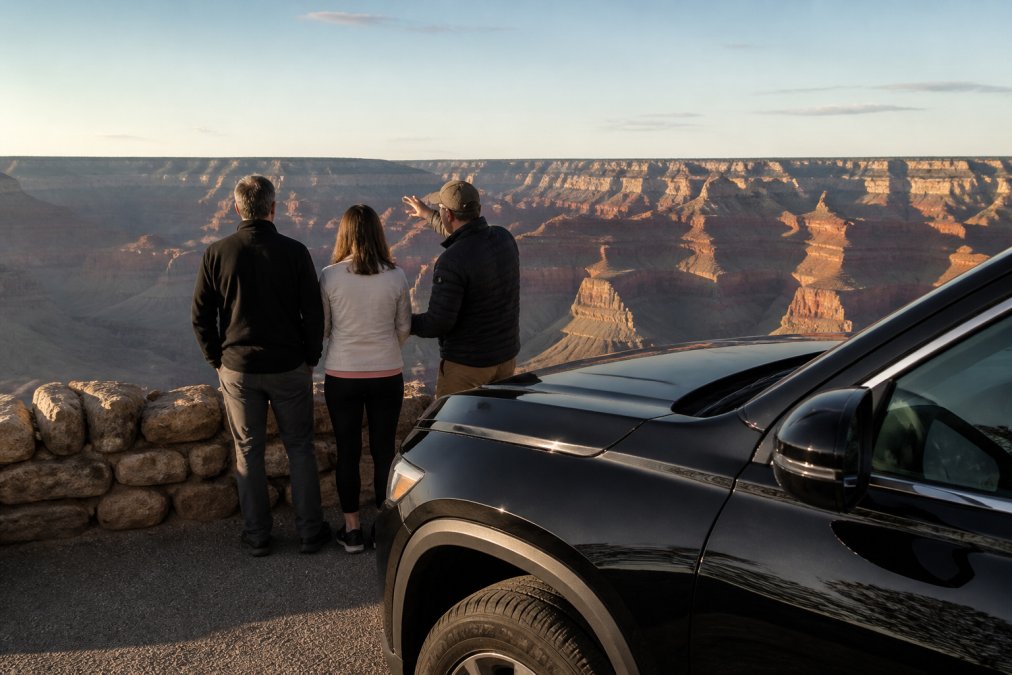
Renting or driving a personal vehicle offers maximum flexibility for exploring at your own pace. Travelers control departure times, can make unplanned stops, and move between viewpoints without adhering to shuttle schedules.
Rental cars are available in nearby towns like Flagstaff and Williams. The drive from Tusayan is straightforward, a direct route on a well-maintained highway with clear signage. Parking at the South Rim visitor center and major viewpoints is free, though spots fill quickly during midday hours.
The main trade-off is navigating the park independently. The South Rim spans roughly 30 miles of accessible road, with numerous pullouts and scenic overlooks. First-time visitors sometimes struggle to prioritize which stops matter most or miss lesser-known viewpoints. Parking challenges at popular spots can frustrate travelers seeking a relaxed experience.
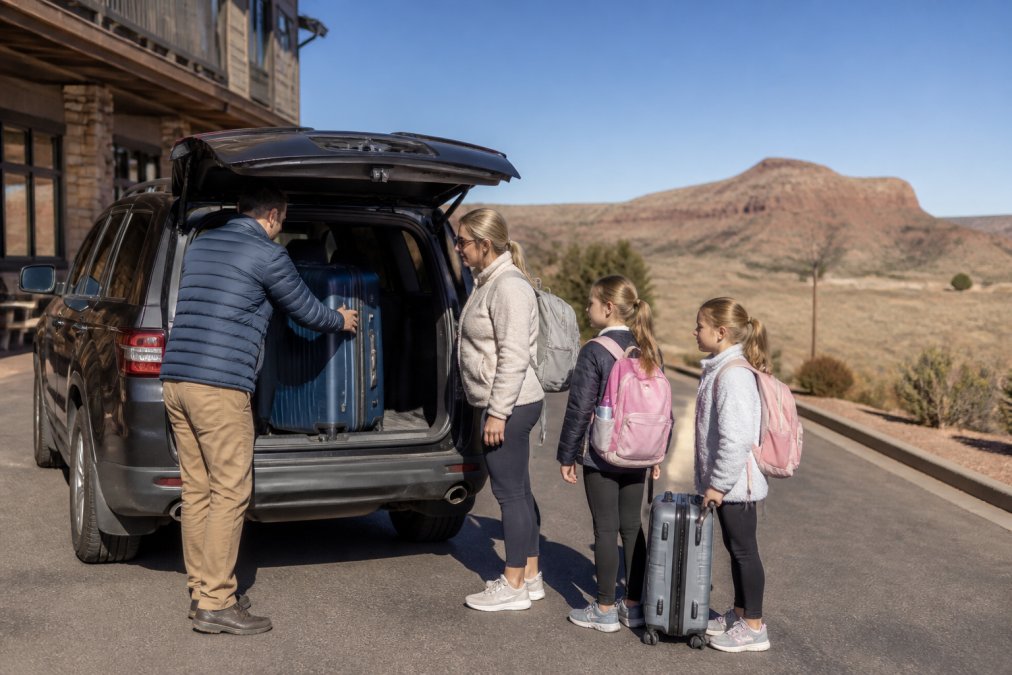
Vehicle rental provides independence but requires managing logistics: fuel costs, parking navigation, and the mental load of route planning. For groups prioritizing spontaneity and control, this method works well. For those seeking a curated, stress-free experience, other options may deliver better value.
Grand Canyon Shuttle Bus Routes from Tusayan
A free shuttle service operates between Tusayan and the South Rim, managed by the park service. The shuttle departs from Tusayan's visitor center and drops passengers at the park entrance, eliminating the need to drive and park.
Tusayan-to-Park Shuttle Details
The shuttle runs seasonally, with frequency varying by time of year. During peak summer months (May through September), shuttles typically run every 15-30 minutes throughout the day. Winter schedules are reduced, often running hourly or less frequently. Spring and fall see moderate frequency. Travelers should verify current schedules on the National Park Service website before planning around this option, as schedules adjust based on staffing and demand. The ride takes approximately 30 minutes, longer than a personal vehicle due to stops and passenger boarding.
The shuttle departs from a designated stop in Tusayan village, and passengers should arrive 10-15 minutes early during peak season to secure a seat. During summer afternoons, shuttles can reach capacity, and overflow passengers may wait for the next departure. Arriving early morning (before 8 a.m.) or late afternoon (after 4 p.m.) typically means shorter waits.
Navigating Park Shuttle Routes Once Inside
Once at the South Rim, visitors still need transportation between viewpoints. The park operates multiple shuttle bus routes covering different areas:
- Village Route (Blue): Connects lodging, dining, and services within the village area; runs year-round with frequent service
- Kaibab/Rim Route (Red): Serves popular viewpoints along the South Rim, including Mather Point, Yavapai Geology Museum, and Yaki Point; seasonal operation (typically March through November)
- Village Route to Visitor Center (Violet): Provides orientation and park information; runs year-round
- Rim Trail Shuttle (Orange): Seasonal service (typically March through November) connecting trailheads and viewpoints along the western rim
Understanding shuttle schedules and routes prevents confusion. The park's official website provides current route maps, timing, and real-time updates. Shuttles can be crowded during peak hours (10 a.m. to 3 p.m.), and wait times sometimes exceed 20 minutes. Traveling during shoulder hours (early morning or late afternoon) reduces crowding significantly.
Real-Time Capacity Alerts
A practical advantage of the shuttle system is that the park publishes real-time parking and shuttle capacity information on its website and through the official Grand Canyon app. Travelers can check whether parking lots are full before arriving, helping them decide whether to use the Tusayan shuttle or plan arrival times differently. This real-time data is rarely highlighted in travel guides but is invaluable for avoiding frustration during peak season.
Complete Transportation System for Non-Drivers
For travelers without personal vehicles, the Tusayan shuttle plus park shuttles creates a complete transportation system. The trade-off is less flexibility and potential crowding during busy periods. However, for first-time visitors unfamiliar with the park layout, the structured shuttle system removes navigation stress and ensures access to major viewpoints without the burden of driving or parking logistics.
Private Tours from Tusayan
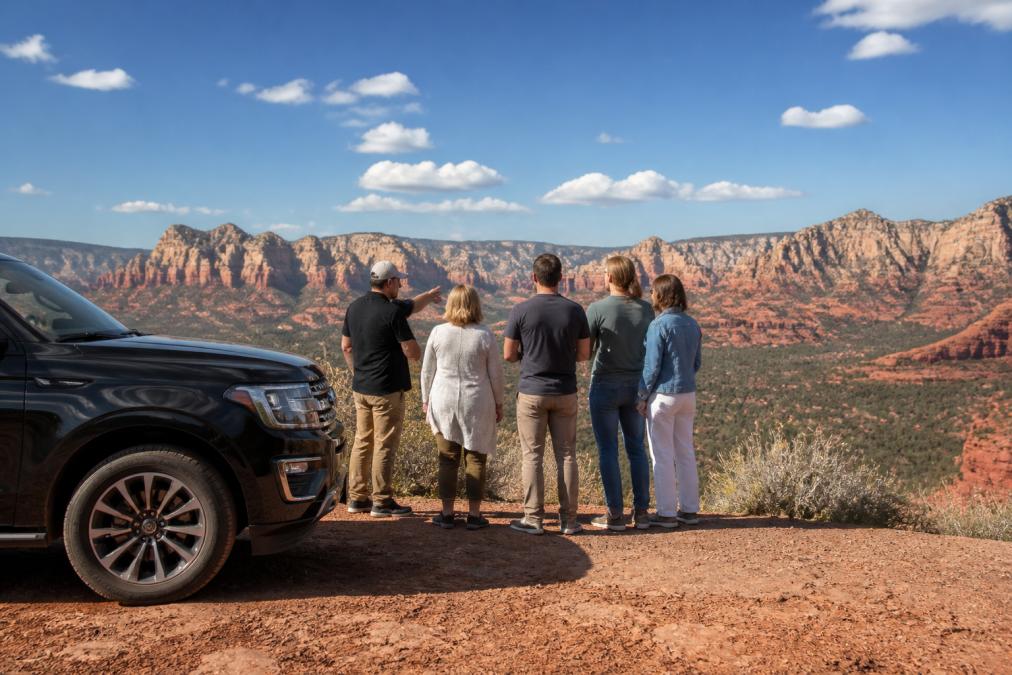
Private tour operators offer curated experiences with professional guides, vehicle transportation, and structured itineraries. Grand Canyon Journeys provides 100% private tours with door-to-door pickup from Tusayan accommodations, eliminating transportation logistics entirely.
Private tours from Tusayan include transportation to the South Rim, guided commentary during the drive, and curated stops at significant viewpoints. Guides handle navigation and timing, allowing travelers to focus on the experience rather than logistics. Groups travel in comfortable vehicles with flexible seating, and park fees are included in the tour cost.
The structured itinerary means less spontaneity than driving independently, but this appeals to many travelers who prefer expert guidance and curated stops. Families with children often appreciate having a knowledgeable guide manage the day's flow and explain geological and cultural significance.
Private tours represent a premium option compared to self-driving or shuttle alternatives. The value lies in expertise, convenience, and the quality of the experience rather than cost savings. For travelers prioritizing comfort and insider knowledge, private tours deliver a different class of service.
Taxi and Rideshare Services
Taxi services operate in Tusayan and surrounding areas, offering point-to-point transportation to the South Rim entrance. Rideshare apps may have limited availability in this remote area, though some coverage exists during peak seasons.
Taxi services provide a middle ground between personal vehicles and organized tours. A driver handles navigation while passengers relax. However, availability can be inconsistent, and wait times may be longer than in urban areas. Costs vary based on distance and demand, and travelers should confirm rates before booking.
Rideshare availability fluctuates seasonally. During summer, more drivers operate in the region. Winter months see reduced availability. Travelers relying on rideshare should book in advance rather than expecting immediate pickup.
This option works best for travelers without vehicles who prefer not to use shuttles or book formal tours. The flexibility falls between personal vehicles and structured services, though reliability in remote areas can be uncertain.
Rental Car vs. Other Options
Comparing transportation methods reveals distinct trade-offs. A rental car offers independence and spontaneity but requires managing parking, navigation, and fuel. The Tusayan shuttle provides free or low-cost access but involves waiting and less flexibility.
Private tours eliminate logistics and provide expertise but involve less control over timing and stops. Taxi services offer convenience without the commitment of a rental, though availability and pricing can be unpredictable.
| Transportation Method | Best For | Key Advantage | Main Limitation |
|---|---|---|---|
| Personal/Rental Vehicle | Independent travelers | Full control over timing and stops | Parking challenges, navigation responsibility |
| Tusayan Shuttle | Budget-conscious visitors | Free or low-cost access | Seasonal schedules, less flexibility |
| Private Tours | Families, first-time visitors | Expert guidance, included fees, door-to-door pickup | Less spontaneity, structured itinerary |
| Taxi/Rideshare | Solo travelers, small groups | Point-to-point convenience | Variable availability, unpredictable costs |
The best choice depends on group composition, budget priorities, and travel style. Families with young children often prefer private tours for convenience and expertise. Independent travelers may choose rental vehicles for maximum control. Budget travelers rely on shuttles despite scheduling constraints.
Accessibility and Parking Considerations
Travelers with mobility challenges should carefully evaluate transportation options, as accessibility varies significantly between methods. The South Rim sits at approximately 7,000 feet in elevation, and some accessible viewpoints require short walks on paved paths, which is important context for mobility planning.
Wheelchair-Accessible Shuttle Options
The park's shuttle system accommodates wheelchairs and mobility devices on all routes, though logistics require advance planning.
Accessible Viewpoints and Facilities
Personal Vehicle Accessibility Advantages
Private Tour Accessibility
Planning Ahead for Mobility Needs
Frequently Asked Questions
How far is Tusayan from the South Rim?
Tusayan is approximately 7 miles south of the Grand Canyon South Rim entrance. The drive takes roughly 15-20 minutes depending on traffic and road conditions. This short distance makes Tusayan an ideal base for visitors planning a day trip or multi-day visit to the national park. Most travelers can easily reach the park entrance and visitor center within 30 minutes of leaving their accommodation.
What are the main Grand Canyon shuttle bus routes available from Tusayan?
The national park operates several shuttle bus routes at the South Rim, though service from Tusayan itself is limited. Most shuttle routes operate within the park boundaries once you arrive at the visitor center. The Village Route is among the most popular options for visitors exploring different areas of the rim. Check the park's official website for current shuttle frequency and seasonal schedules, as these change throughout the year.
Are there private tours available from Tusayan to the South Rim?
Yes, private tours from Tusayan offer a personalized alternative to public transportation. These services provide door-to-door pickup from your accommodation and include a professional guide who can customize your itinerary based on your interests and pace. Private tours eliminate the need to navigate parking or follow shuttle schedules, making them ideal for families, couples, and groups seeking a more flexible and comfortable experience at the national park.
Do I need a car to visit the Grand Canyon South Rim from Tusayan?
You have several options beyond renting a car. Shuttle services, rideshare, and private tours all provide transportation without the need to drive yourself. However, having a private vehicle offers maximum flexibility for exploring different viewpoints and managing your own schedule. Consider your group size, budget, and comfort level when deciding whether a rental car makes sense for your visit to the national park.