 ultimate-guide
Best Time for Luxury Canyon Travel: A Seasonal Guide
Table of Contents
- Understanding Seasonal Weather Patterns at the South Rim
- Spring and Fall: The Shoulder Season Advantage for Luxury Canyon Travel
- Peak Season Crowds vs. Off-Peak Solitude
- Planning a Luxury Grand Canyon Day Trip from Sedona or Flagstaff
- Winter Travel Considerations and Rare Opportunities
- Month-by-Month Trip Planning and Packing Essentials
- Micro-Climate Packing and Comfort Strategies for Affluent Travelers
- Conclusion: Choosing Your Ideal Season
- Frequently Asked Questions
Last Updated: September 23, 2026
Understanding Seasonal Weather Patterns at the South Rim
The Grand Canyon South Rim sits at approximately 7,000 feet elevation, creating distinct seasonal weather variations that dramatically shape the experience of luxury canyon travel. Temperature fluctuations across the calendar range from freezing winter nights to scorching summer afternoons, and these shifts determine not only comfort but also visibility, crowd density, and the overall quality of the sightseeing experience.
At the rim, winter temperatures often drop below freezing, while summer highs regularly exceed 85°F. The inner canyon runs substantially hotter, a critical distinction for anyone planning outdoor activities. Spring and fall offer the most stable weather patterns, with moderate temperatures and low precipitation. Understanding these patterns is essential for affluent travelers seeking to maximize both comfort and scenic quality during their visit.
The South Rim receives roughly 15 inches of annual precipitation, concentrated primarily in summer monsoon season and winter snowfall. These weather events can affect visibility and trail accessibility, making timing a strategic consideration for luxury private tours that prioritize flexibility and personalized comfort.
Spring and Fall: The Shoulder Season Advantage for Luxury Canyon Travel
Spring and fall represent the optimal window for luxury canyon travel, offering the combination of stable weather, manageable crowds, and exceptional scenic conditions that define a premium experience. These shoulder seasons avoid the extremes of summer heat and winter cold while delivering the clear skies and comfortable conditions that make extended sightseeing genuinely enjoyable.
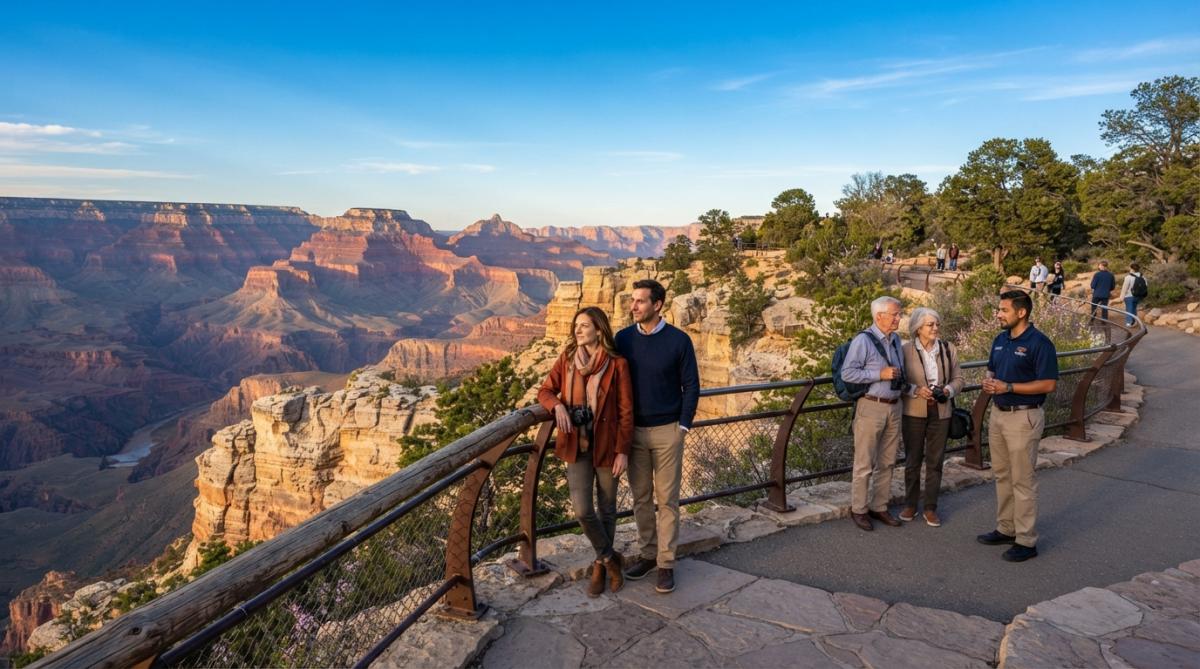
April Through May: Wildflowers and Stable Weather
April and May bring mild daytime temperatures in the 60s to 70s Fahrenheit, with cool but manageable mornings and evenings. Spring precipitation creates vibrant wildflower blooms across the rim and surrounding plateaus, adding natural color and visual interest to the landscape. The stable weather during these months means fewer sudden temperature swings, allowing guests to dress comfortably for a full day of sightseeing without the layering complexity of winter or the heat management challenges of summer.
Visitor traffic begins to increase in spring, but crowds remain substantially lighter than peak summer season. This balance makes late spring ideal for travelers who want reliable weather and accessible facilities without the congestion of June through August. Private tour operators like Grand Canyon Journeys can offer flexible pacing and personalized attention during these months, with the option to adjust itineraries based on real-time conditions rather than rigid schedules.
September Through October: Clear Skies and Comfortable Conditions
Fall offers perhaps the most consistent weather of any season, with daytime temperatures ranging from 65°F to 80°F and minimal precipitation. Clear skies dominate September and October, providing exceptional visibility for photography and scenic appreciation. The air is crisp and dry, a marked contrast to the monsoon humidity of summer, making extended outdoor time genuinely comfortable rather than merely tolerable.
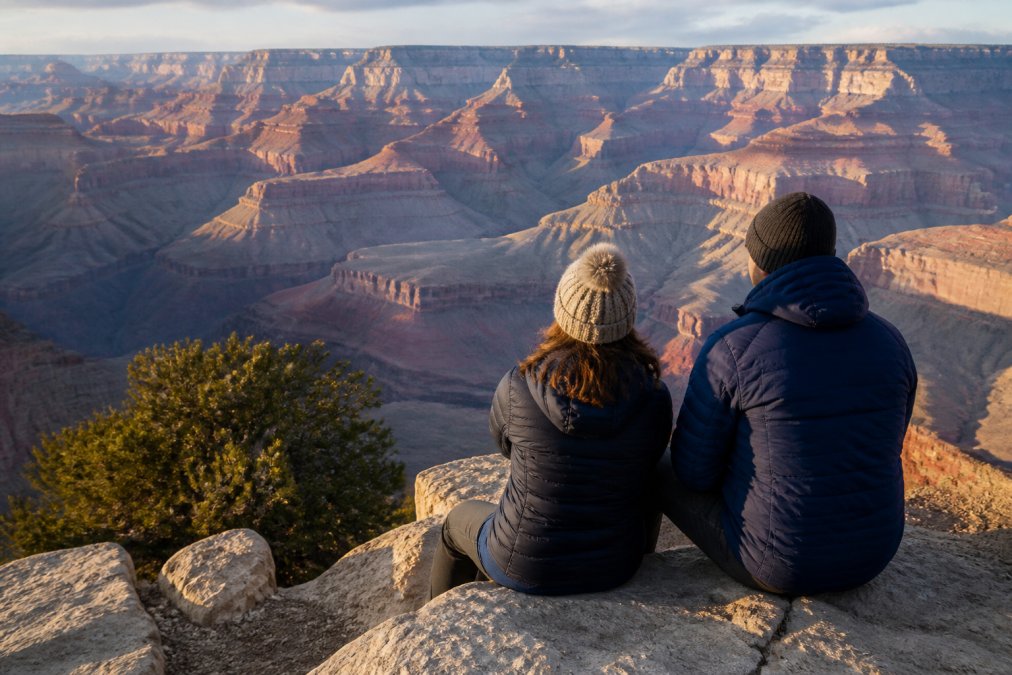
September sees a sharp drop in visitor traffic as summer vacations end and families return to school routines. October maintains lighter crowds while delivering the clearest atmospheric conditions of the year. For affluent travelers prioritizing both comfort and exclusivity, fall represents the sweet spot where weather reliability, scenic quality, and crowd avoidance align perfectly. The stable conditions allow private tour guides to focus entirely on the guest experience rather than managing weather contingencies.
Peak Season Crowds vs. Off-Peak Solitude
Summer peak season (June through August) brings the highest visitor traffic to the South Rim, with daily visitor counts regularly exceeding 10,000. The combination of school holidays, vacation schedules, and warm weather creates dense crowds at overlooks, parking areas, and facilities. While summer offers the warmest temperatures, the trade-off is significant congestion that fundamentally changes the character of the experience.
Off-peak seasons (November through March) feature substantially lower visitor traffic, with daily counts often dropping below 3,000. Winter months and early spring offer genuine solitude at many viewpoints and a more intimate connection with the landscape. However, winter's cold temperatures, potential snow, and shorter daylight hours require careful planning and appropriate thermal layering. For luxury travelers seeking both comfort and a less-crowded experience, late fall and early spring shoulder seasons provide the optimal balance.
The visitor experience differs markedly between peak and off-peak periods. Peak season means shared overlooks, longer waits at facilities, and a more hurried atmosphere. Off-peak seasons allow for extended time at viewpoints, flexible pacing, and the ability to discover quieter vistas. Private tour operators can capitalize on off-peak conditions by offering unhurried itineraries.
Planning a Luxury Grand Canyon Day Trip from Sedona or Flagstaff
Travelers based in Sedona, Flagstaff, Williams, or Tusayan have distinct advantages when timing a luxury grand canyon day trip. The drive from Sedona to the South Rim takes approximately two hours, while Flagstaff sits roughly 80 minutes away. This proximity allows for flexible departure times and the option to optimize timing based on real-time weather and crowd conditions.
Luxury private tour operators like Grand Canyon Journeys offer door-to-door pickup from local hotels and accommodations, eliminating the logistics burden of self-driving. This convenience allows travelers to focus entirely on the experience rather than navigation, parking, and route planning. The flexibility of private tours means departure times can be adjusted to avoid peak crowd periods, even on the same day, based on current conditions at the rim.
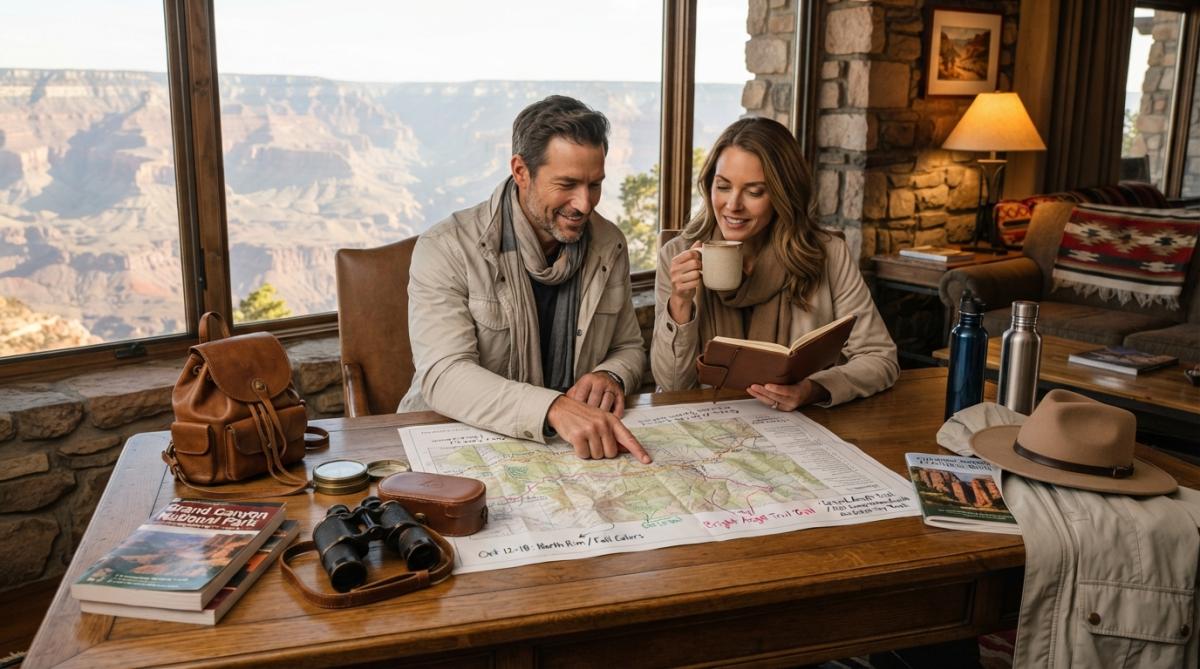
Planning from a regional hub also allows travelers to monitor weather forecasts more closely and adjust itineraries accordingly. A private tour can pivot toward different viewpoints or activities based on atmospheric conditions, visibility, and comfort factors that a fixed-schedule bus tour cannot accommodate. This responsiveness to real-time conditions is a defining feature of luxury canyon travel.
Winter Travel Considerations and Rare Opportunities
Winter at the South Rim presents both challenges and unique opportunities for discerning travelers. Daytime temperatures typically range from 35°F to 50°F, with nighttime lows frequently dropping below freezing. Snow is possible but not guaranteed, the rim receives an average of 150 inches of snow annually, but much of it falls during brief, intense periods rather than sustained winter conditions.
The primary advantage of winter travel is the dramatic reduction in visitor traffic. Off-peak season means accessible overlooks, shorter waits at facilities, and the ability to experience the canyon with genuine solitude. The crisp, dry air of winter often produces exceptional visibility, particularly on clear days after weather fronts pass through. Winter light creates distinctive shadows and color variations across the canyon walls, offering photographic opportunities unavailable during other seasons.
Winter travel requires proper preparation: thermal layering, wind-resistant outerwear, and realistic expectations about daylight hours. The sun sets by 5 p.m. in December, constraining the duration of quality sightseeing time. However, for travelers seeking a less-crowded experience and willing to manage the cold, winter offers genuine advantages that justify the seasonal considerations.
Month-by-Month Trip Planning and Packing Essentials
January to March: Winter Conditions and Thermal Layering
Winter months demand careful attention to layering and cold-weather preparation. January and February represent the coldest period, with daytime highs typically in the 40s and nighttime lows often dropping to freezing or below. March begins the gradual warming trend, with daytime temperatures climbing into the 50s.
June to August: High Heat and Elevation Advantages
Summer brings the highest temperatures of the year, with daytime highs regularly exceeding 85°F at the rim. The inner canyon reaches substantially higher temperatures, making any canyon-floor activities genuinely challenging. However, the rim's 7,000-foot elevation provides meaningful relief compared to lower-elevation Arizona locations.
November to December: Quiet Crowds and Crisp Air
Late fall and early winter offer an underrated combination of conditions. November daytime temperatures typically range from 50°F to 65°F, with December cooling further to 40s-50s. Crowds drop sharply after Thanksgiving, creating a window of relative solitude.
Micro-Climate Packing and Comfort Strategies for Affluent Travelers
The Grand Canyon's elevation and exposure create distinct micro-climates that require thoughtful packing strategies. The rim sits at 7,000 feet, where temperature, wind exposure, and solar intensity differ markedly from lower elevations. Successful packing accounts for these variations rather than relying on generic travel assumptions.
Conclusion: Choosing Your Ideal Season
The best season for luxury canyon travel depends on individual priorities and tolerance thresholds. Spring and fall shoulder seasons offer the optimal combination of stable weather, manageable crowds, and comfortable conditions, the ideal choice for travelers prioritizing both comfort and experience quality. Summer delivers warmth and extended daylight but brings peak crowds and heat management challenges. Winter offers solitude and exceptional visibility but requires careful cold-weather preparation and acceptance of shorter daylight hours.
Frequently Asked Questions
What is the best month to visit the Grand Canyon for mild weather and fewer crowds?
April through May and September through October offer the most balanced conditions. Spring brings stable weather with daytime temperatures around 60-70°F and wildflower blooms. Fall delivers clear skies, comfortable conditions, and noticeably lower visitor traffic than summer. Both shoulder seasons provide ideal conditions for sightseeing and outdoor recreation without extreme heat or winter weather complications.
How does elevation affect temperature at the South Rim, and what should I pack?
The South Rim sits at approximately 7,000 feet elevation, where temperatures are significantly cooler than lower elevations. Winter mornings can drop below freezing, while summer highs rarely exceed 80°F. Thermal layers are essential year-round. Bring a windbreaker, sun protection, and comfortable walking shoes. In shoulder seasons, a light jacket and layers allow you to adjust as the day warms.
How can I plan a seamless luxury day trip from Sedona or Flagstaff?
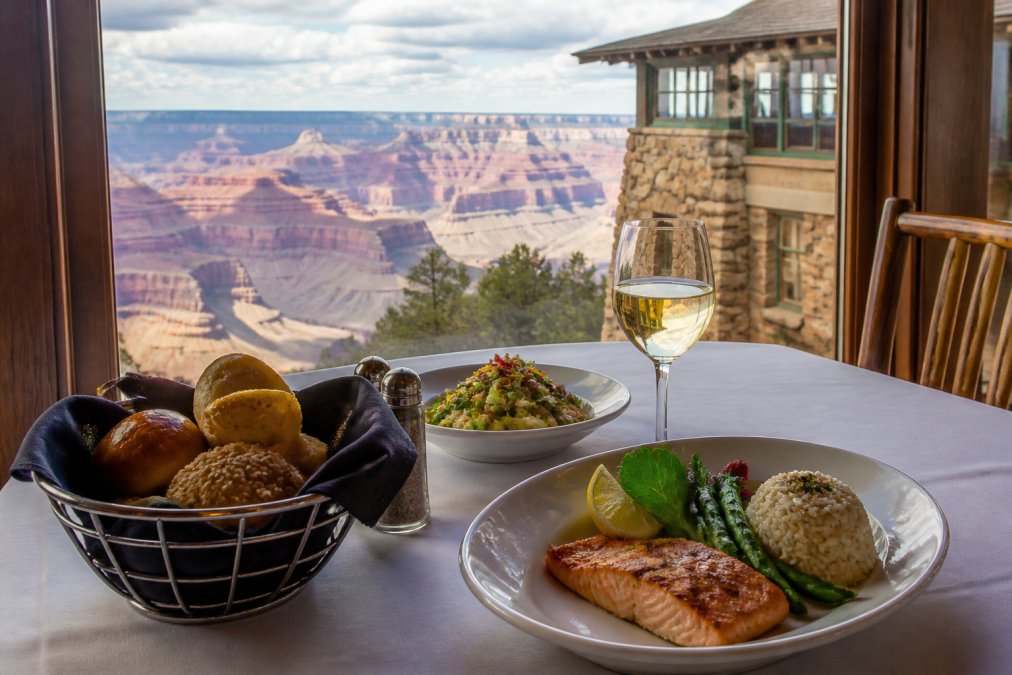
Choose a season with favorable climate conditions, spring or fall offer the best balance. Private tours from Sedona or Flagstaff include door-to-door pickup and flexible itineraries tailored to your group's pace and interests. Plan for a full day to experience scenic vistas and dining at historic El Tovar. Confirm your preferred dates well in advance, especially during peak season, to ensure availability and optimal scheduling.
Is there a significant difference between visiting during peak season versus off-peak months?
Peak season (June through August) brings higher visitor traffic and crowded overlooks, though summer offers long daylight hours. Off-peak months deliver solitude and easier access to scenic viewpoints, making the experience more intimate. Shoulder season balances both advantages: stable weather, moderate crowds, and comfortable sightseeing conditions. Your choice depends on whether you prioritize solitude or extended daylight for photography and exploration.