 ultimate-guide
Best Time to Visit Grand Canyon: A Season-by-Season Guide
Table of Contents
- Best Time to Visit Grand Canyon: Overview
- Grand Canyon Weather by Month
- Peak Season vs. Shoulder Season: What to Expect
- How Many Days to Spend at Grand Canyon
- Best Time for Private Tours in Northern Arizona
- Seasonal Accessibility and Trail Conditions
- Planning Your Visit: Key Considerations
- Frequently Asked Questions
Last Updated: September 18, 2026
Best Time to Visit Grand Canyon: Overview
The best time to visit Grand Canyon depends on your priorities: weather comfort, crowd levels, trail accessibility, and photography conditions all shift dramatically across the seasons.
The South Rim, accessible year-round at approximately 7,000 feet elevation, offers the most visitor infrastructure. The North Rim closes seasonally due to heavy winter snow.
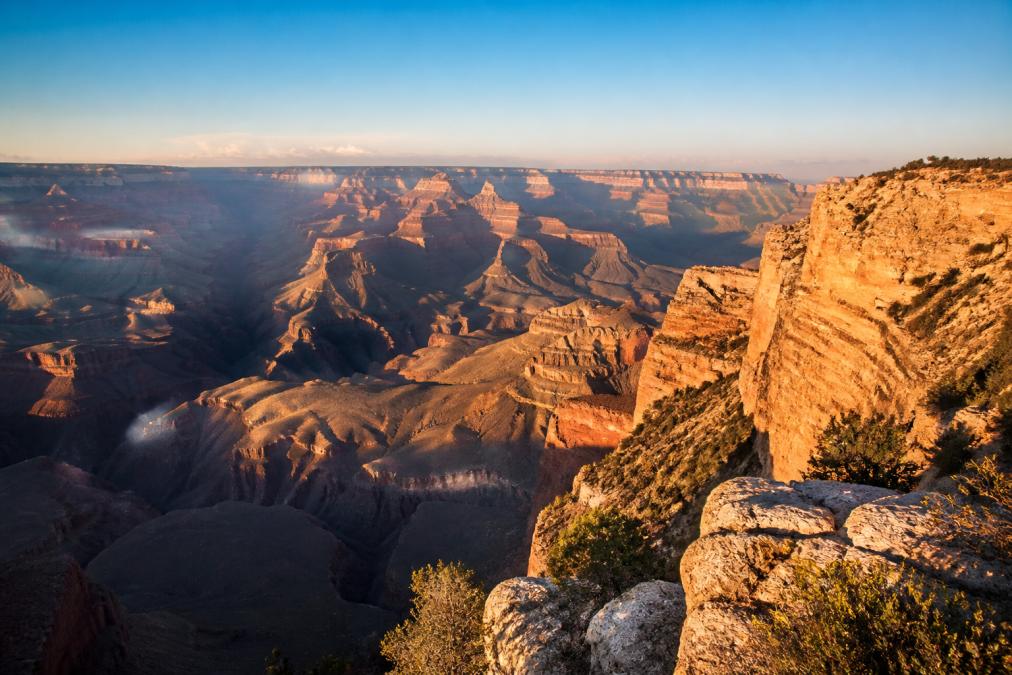
Grand Canyon Journeys offers flexible private tours tailored to your preferred travel window, adapting to seasonal conditions and your group's comfort level.
Grand Canyon Weather by Month
Temperature and weather patterns vary significantly across the year at the South Rim, and dramatically between the rim and the canyon floor.
South Rim Temperature Patterns
The South Rim sits at approximately 7,000 feet elevation, experiencing cooler temperatures than surrounding lowlands. Winter (December-February) sees daytime highs in the 40s Fahrenheit, with nighttime lows often below freezing. Snow is infrequent at the rim but can accumulate on roads and trails.
Spring (March-May) brings daytime temperatures from the 50s into the 70s, with variable weather and common wind, particularly in March and April.
Summer (June-August) brings rim temperatures of 75-85 degrees, but the inner canyon exceeds 110 degrees. Afternoon thunderstorms are frequent in July and August, creating hazards on exposed trails.
Fall (September-November) offers cooling temperatures from the 70s to the 40s, with dramatic sunrise and sunset lighting popular for photography.
North Rim Seasonal Differences
The North Rim sits at approximately 8,000 feet elevation, creating substantially colder temperatures and heavier snow (Weather and Climate). It typically closes from mid-October through mid-May, limiting visits to summer. When open, daytime temperatures in July and August range from 60 to 75 degrees, noticeably cooler than the South Rim.
Peak Season vs. Shoulder Season: What to Expect
Peak season runs March through October, with heaviest crowds in July and August. Parking fills early, lodging becomes scarce, and shuttle services operate at full capacity.
Shoulder seasons (spring and fall) offer lighter crowds, mild weather, and excellent trail conditions. Fall offers more stable conditions than spring's variable weather.
Winter (December-February) is the quietest period, with easier lodging access. However, cold temperatures, snow, and shorter daylight limit trail accessibility. Winter suits visitors prioritizing solitude.
How Many Days to Spend at Grand Canyon
The ideal trip length depends on your interests, physical ability, and the season you're visiting. Seasonal conditions, crowd levels, and daylight hours all influence how much you can realistically accomplish in a given timeframe.
One Full Day: Scenic Viewpoint Focus
A single full day works well for travelers with limited time or those combining a visit with other Northern Arizona destinations like Sedona or Flagstaff.
One-day visits work best during shoulder seasons (spring and fall). Summer requires early starts to avoid afternoon heat and thunderstorms. Winter offers limited daylight (roughly 9 a.m. to 4:30 p.m.).
A one-day itinerary typically includes 3-5 major viewpoints and rim walks. Private tour flexibility lets your group linger at favorites rather than adhering to fixed schedules.
Two to Three Days: Deeper Exploration
Two to three days permit deeper exploration and flexibility around weather. A typical two-day visit dedicates one day to scenic viewpoints and rim walks, while a second day accommodates day hiking.
Two to three days allows time for sunrise or sunset viewing and visits to quieter eastern viewpoints like Desert View.
Spring and fall offer stable weather for rim walking and day hiking. Summer requires early morning starts and afternoon rest. Winter suits solitude-seekers but demands flexibility for shorter daylight and snow.
Three to Four Days: Immersive Experience
Three to four days allows visits to both popular western viewpoints and quieter eastern areas like Desert View, with time for day hikes.
Three to four days accommodates weather flexibility and rest days. Visitors from Flagstaff or Williams can spread drive time across multiple days. Those from Sedona or Tusayan can explore secondary attractions like Grand Canyon Village.
Spring and fall offer stable conditions. Summer allows early morning hikes and afternoon rest. Winter provides quiet beauty with shorter daylight hours.
Seasonal Daylight and Activity Planning
Daylight hours vary significantly by season:
- Spring (March-May): 6:30 a.m. to 7:00 p.m. by late May
- Summer (June-August): 5:30 a.m. to 8:30 p.m., but afternoon heat limits safe hiking to early morning
- Fall (September-November): 12 hours in September to 9.5 hours by November
- Winter (December-February): Roughly 9 hours, 7:30 a.m. to 5:00 p.m.
Day hikers should account for seasonal daylight. Summer day hikes can start at 5:30 a.m.; winter day hikes require earlier starts for safe return before dark.
Choosing Your Duration
Consider these factors:
- Travel distance: Sedona visitors benefit from closer proximity. Flagstaff and Williams visitors can spread two to three days to reduce fatigue. Tusayan visitors are closest to the entrance.
- Seasonal weather: Spring and fall support active visits. Summer requires early starts. Winter demands flexibility.
- Activity preferences: Scenic viewpoints work year-round. Day hiking favors spring, fall, and early summer. Photography benefits from longer stays.
- Group composition: Families with young children prefer shorter days; couples often prefer two to three days during shoulder seasons.
Best Time for Private Tours in Northern Arizona
Private tours accommodate seasonal preferences and individual comfort levels. Visitors from Sedona, Flagstaff, Williams, or Tusayan can time visits around personal schedules.
Spring and fall are most popular, combining mild weather and manageable crowds. Private tour flexibility allows summer visits with early starts or winter visits for solitude.
Grand Canyon Journeys' private tour model adapts to your group's pace, interests, and comfort level, whether you're traveling with young children, seeking a romantic experience, or planning a photography-focused visit.
Seasonal Accessibility and Trail Conditions
Trail conditions and accessibility shift dramatically across seasons, affecting which areas are safe, navigable, and comfortable for visitors of all mobility levels. Understanding these seasonal patterns helps you plan a visit that matches both your physical ability and your preferred time of year.
Accessible Viewpoints Year-Round
The South Rim's paved rim walks and major viewpoints remain accessible year-round for visitors with limited mobility. Winter weather occasionally closes some roads temporarily, but park staff prioritize clearing them quickly.
Visitors using mobility devices should plan rim-based experiences. The South Rim Village area, accessible via shuttle, provides multiple viewpoints without trail navigation.
Trail Conditions by Season
Spring (March-May): Snowmelt creates wet, muddy conditions through late April. Rim-level trails and shorter day hikes typically become passable by mid-April. Temperatures are moderate, and water sources become more reliable.
Summer (June-August): Inner-canyon trails exceed 110 degrees. The National Park Service advises against hiking below the rim during peak afternoon hours. Early morning starts (before 6 a.m.) can make day hikes feasible for experienced hikers. Afternoon thunderstorms create flash flood and lightning hazards. Rim-level trails remain accessible.
Fall (September-November): Trail conditions stabilize with cooling temperatures and available water. Ice or snow is unlikely until late November. This season offers the most reliable conditions for day hiking and photography.
Winter (December-February): Rim trails can become icy or snow-covered, particularly on north-facing sections. Some trails are officially closed. South-facing rim walks may remain passable on clear days. Winter suits solitude-seekers but requires caution and appropriate footwear.
Mobility and Accessibility Planning
Visitors with limited mobility should focus on accessible rim viewpoints and shuttle-accessible areas. The South Rim's shuttle system provides door-to-door access to major overlooks. Shoulder seasons offer the most comfortable conditions.
Day hikers should assess fitness against seasonal conditions. Spring and fall offer forgiving conditions. Summer requires early starts. Winter demands snow and ice experience. Check the National Park Service website for current day trail conditions.
Private tour flexibility lets your group plan around accessibility needs and seasonal conditions, tailoring itineraries to specific mobility requirements.
Planning Your Visit: Key Considerations
Timing your visit involves balancing weather tolerance, crowd preferences, physical ability, and photography interests. Families often visit during summer break or spring break. Couples prefer shoulder seasons or winter. Photographers target spring and fall for superior lighting.
Your pickup location matters: Sedona visitors benefit from closer proximity; Flagstaff and Williams have excellent access; Tusayan is closest to the entrance. Consider your goals: scenic viewpoints work year-round; day hiking favors spring, fall, and early summer; sunrise and sunset viewing demands clear skies.
Planning a Grand Canyon visit requires balancing weather, crowds, accessibility, and your group's specific interests and comfort level. The best time to visit Grand Canyon truly depends on your priorities, but the flexibility of private tours means you don't have to compromise. Grand Canyon Journeys offers personalized itineraries that adapt to your preferred season, your group's pace, and your specific interests, whether that's photography, day hiking, family-friendly viewpoint touring, or a romantic getaway.
Frequently Asked Questions
What are the average temperatures at the South Rim by month?
South Rim temperatures vary dramatically by season. Winter months (December-February) see daytime highs around 40-50°F with nighttime lows near freezing. Spring (March-May) ranges from 50-75°F. Summer (June-August) reaches 80-90°F during the day, cooling to 50-60°F at night due to the 7,000-foot elevation. Fall (September-November) offers mild 60-75°F daytime temperatures. Pack layers year-round, as temperature swings are significant.
How many days should you spend at the Grand Canyon?
Most first-time visitors benefit from two to three full days. One day allows you to see major scenic viewpoints and understand the scale of the canyon. Two days lets you explore different areas of the South Rim, visit the visitor center, and experience changing light conditions. Three or more days accommodates day hikes on accessible trails, sunrise and sunset viewing, and a slower pace. Your ideal duration depends on your fitness level, photography interests, and whether you want to day hike.
Is it better to visit the Grand Canyon in spring or fall?
Both shoulder seasons offer excellent conditions. Spring (April-May) brings mild daytime temperatures (60-75°F), wildflower blooms, and moderate crowds before summer peaks. Fall (September-October) features similar temperatures, crisp mornings, and stunning photography light as the sun angle shifts. Both seasons provide comfortable hiking conditions and reliable weather. Spring sees slightly higher crowds as families plan vacations; fall offers a quieter experience with equally pleasant conditions.
What are the benefits of visiting during the shoulder season?
Shoulder seasons (spring and fall) deliver moderate crowd levels compared to summer's peak, comfortable temperatures for hiking and sightseeing, and excellent visibility for photography. Park facilities remain fully operational, shuttle services run regularly, and lodging is more available than in summer. Thermal layers suffice instead of heavy winter gear or intense sun protection. You'll experience the canyon's natural beauty without the extreme heat, extreme cold, or overwhelming visitor numbers that define summer and winter.