 ultimate-guide
How to Plan a Grand Canyon Trip: A Complete Guide
Table of Contents
- Start With Your Trip Duration and Timing
- Best Time to Visit the Grand Canyon
- Transportation to the Grand Canyon From Flagstaff and Regional Hubs
- Create Your Grand Canyon Day Trip Itinerary
- Lodging and Park Reservations
- Grand Canyon Family Travel Guide: Keeping Everyone Engaged
- Essential Safety, Weather, and Preparation Tips
- Budget Planning and Cost Considerations
- Frequently Asked Questions
Last Updated: September 4, 2026
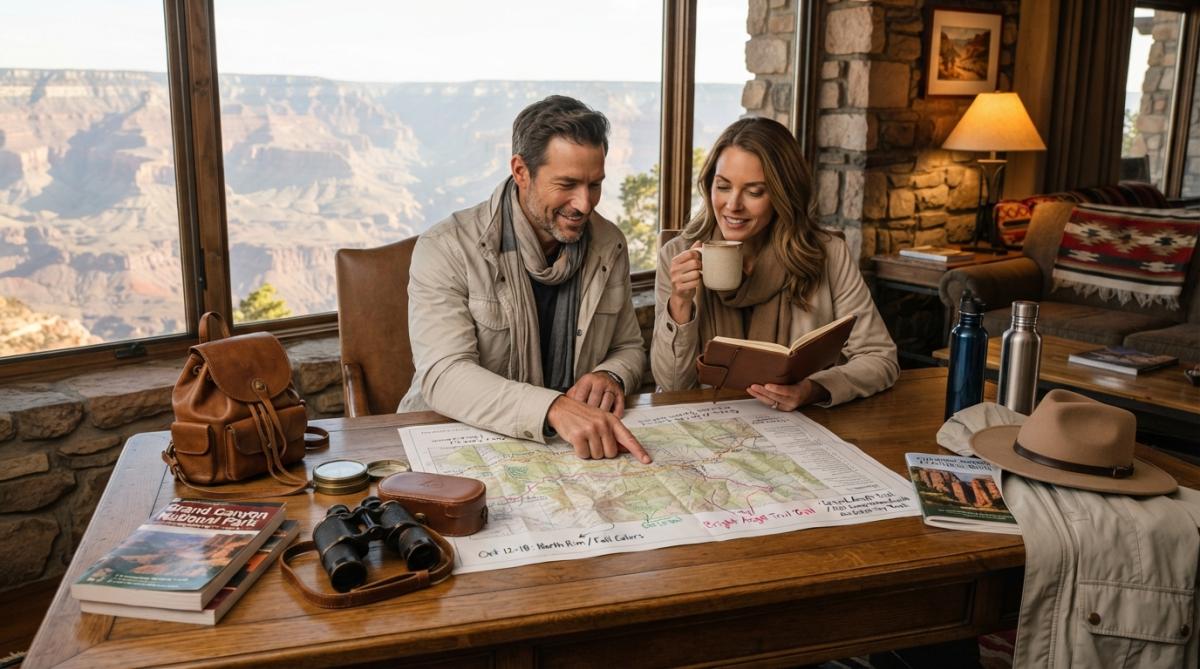
Planning a Grand Canyon trip can feel overwhelming because of the sheer scale of the park and the number of logistics involved. A well-organized plan starts with understanding the South Rim's geography, elevation, and seasonal rhythms before you book anything. This guide from Grand Canyon Journeys breaks down the essential steps to plan Grand Canyon trip, covering timing, transportation, itineraries, and lodging so you can focus on the experience rather than the details.
The most important decision you will make is choosing a rim and a season, since the South Rim sits at roughly 7,000 feet and experiences distinct weather patterns. Many first-time visitors underestimate how much travel time separates the park from hubs like Flagstaff, Sedona, or Williams. Below, we will show you exactly how to structure a visit that matches your group's pace, whether you have a single day or a long weekend.
Start With Your Trip Duration and Timing
The first step to plan Grand Canyon trip is deciding how many days you can commit, because this determines everything else. A day trip from Flagstaff or Sedona is feasible but means roughly two hours of driving each way, leaving about six to eight hours inside the park. For a slower experience, a two-night stay near the South Rim allows you to catch sunrise and sunset without rushing.
Most visitors find that a full day is enough to see the main viewpoints, but a multi-day visit is better for hiking below the rim. Day hiking into the canyon is a separate activity from scenic sightseeing, so confirm which experience you want before booking tours. If your schedule is tight, prioritize the viewpoints and visitor centers over ambitious hikes that require permits and extra daylight.
Best Time to Visit the Grand Canyon
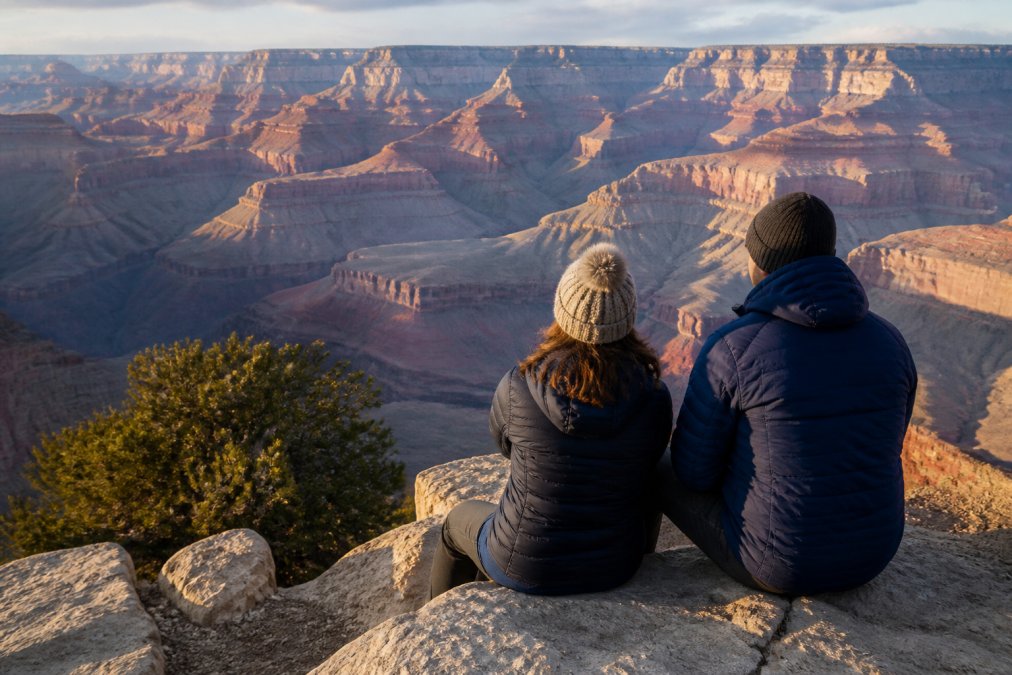
Spring and fall offer the most comfortable conditions on the South Rim, with daytime temperatures that make walking along the rim trail pleasant. Summer brings larger crowds and hotter weather, though the rim stays cooler than the inner canyon, which can be substantially warmer at lower elevations. Winter transforms the park with occasional snow, quieter trails, and crisp air, but some services and roads may have limited hours.
The National Park Service's seasonal guide notes that the South Rim is open year-round, while the North Rim typically closes during winter months. Sunrise and sunset are spectacular in any season, but the angle of light in late fall and early winter adds depth to the canyon walls. If you plan around school holidays, expect peak-season traffic at the entrance stations and shuttle stops.
Transportation to the Grand Canyon From Flagstaff and Regional Hubs
Getting to the South Rim is straightforward, but the options differ in convenience and flexibility. Flagstaff serves as the main transportation hub, with the airport about 90 minutes from the park entrance, while Sedona, Williams, and Tusayan sit progressively closer. Driving yourself offers freedom, though parking near popular viewpoints fills quickly during peak hours.
A private tour removes the stress of navigating and parking, with door-to-door pickup from Sedona, Flagstaff, Williams, and Tusayan in comfortable vehicles. Grand Canyon Journeys operates 100% private tours with upgraded Ford Transit vans, so groups travel together without sharing space on a bus. For travelers who prefer not to manage rental cars or shuttle schedules, this is the most direct way to move between the rim and your lodging.
Create Your Grand Canyon Day Trip Itinerary
A successful day trip itinerary balances iconic viewpoints with time for meals, short walks, and unexpected moments. Start early to catch the morning light over the canyon and arrive before the busiest shuttle hours, then work your way along the rim in a logical order. Include a stop at the visitor center to check current conditions and ranger program times before committing to a route.
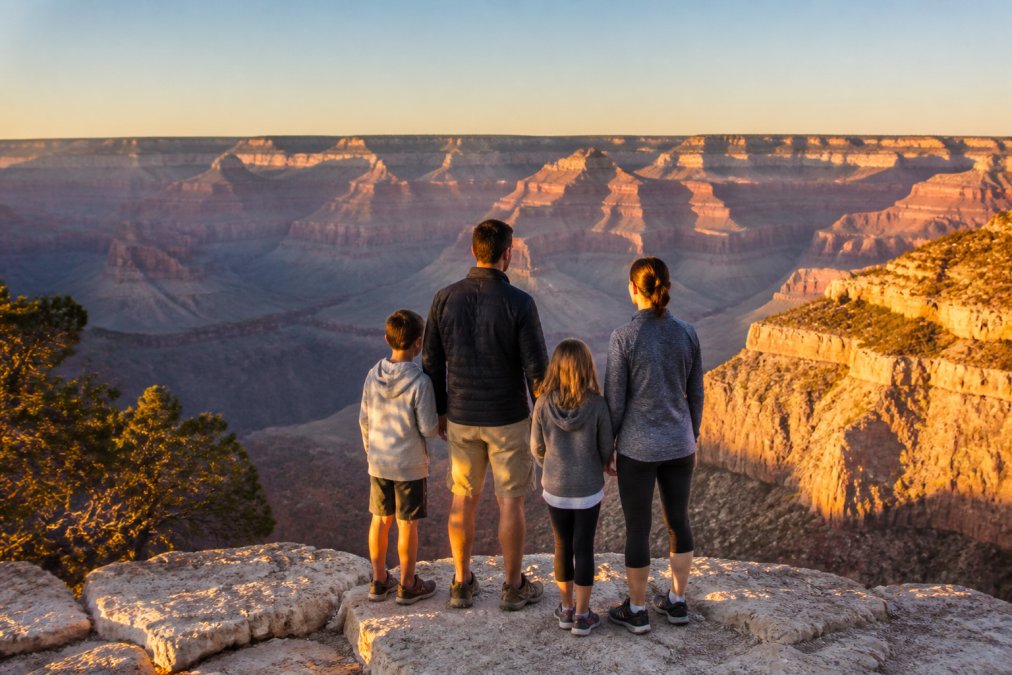
Top Viewpoints and Hiking Trails
The Rim Trail offers the easiest access with paved sections and outstanding views, making it a strong choice for families and those with limited mobility. For a slightly longer walk, the Trail of Time interprets the canyon's geology along the rim and is a favorite for curious travelers. Day hiking below the rim, such as portions of the Bright Angel Trail, requires preparation for elevation gain and hydration, and should only be attempted with proper footwear and water.
Scenic Drives and Visitor Centers
Desert View Drive runs east from Grand Canyon Village and rewards drivers with several pullouts and the historic Desert View Watchtower. The main visitor center near Mather Point provides exhibits, park information, and restrooms, making it a practical first stop. Check the official Grand Canyon visitor guide for current road conditions and shuttle schedules before you head out.
Lodging and Park Reservations
Lodging decisions shape your entire trip rhythm, so understanding the trade-offs between in-park, gateway-town, and regional-hub options is essential before you book.
In-Park Lodging: Historic Hotels and Accessibility
Staying inside the park puts you steps from viewpoints and allows you to catch sunrise and sunset without a commute. The historic El Tovar and Bright Angel Lodge require reservations six to twelve months in advance for peak seasons (March through May and September through October). Both properties offer rim-adjacent locations, though availability tightens significantly during school holidays and summer weekends.
Accessibility is a critical factor many travelers overlook. El Tovar and Bright Angel Lodge have accessible rooms, but availability is limited and must be requested at the time of booking. The National Park Service's accessibility guide details which lodges offer wheelchair-accessible entrances, elevators, and accessible bathrooms. If mobility access is essential to your visit, call the lodging directly rather than relying on online descriptions, since room configurations vary and staff can match you to the most suitable accommodation.
In-park lodging also means navigating the park's shuttle system or walking between your room and viewpoints. The Village Route shuttle is free and wheelchair-accessible, making it a practical option for those with limited mobility or who prefer not to drive.
Gateway Towns: Tusayan, Williams, and Flagstaff
Tusayan sits just outside the park's south entrance, about 10 minutes from the visitor center, and offers more lodging availability and competitive pricing compared to in-park options. Williams, about 60 miles south, provides additional chain hotels and a historic downtown, though the drive adds 90 minutes round-trip to your day. Flagstaff, the largest regional hub at roughly 80 miles from the South Rim, offers the widest range of accommodations and restaurants but requires a two-hour commute each way.
Staying outside the park means you'll drive or be transported to the entrance each morning, which reduces spontaneity but often lowers overall trip costs. If you're traveling with family or a group, the time spent commuting can cut into park hours, so weigh the savings against lost daylight.
Booking Strategy and Timing
For peak-season visits (spring break, summer, Thanksgiving, winter holidays), book lodging as soon as your dates are confirmed, often four to six months ahead for in-park properties. For shoulder seasons (late fall, early spring), three to four months ahead is usually sufficient. Last-minute cancellations do occur, so if your preferred dates are sold out, check back periodically or contact the lodging directly to ask about the cancellation pattern.
If you're uncertain about your exact dates or prefer a flexible schedule, staying in Flagstaff or Williams allows you to book closer to your travel window without sacrificing availability. Many travelers also pair a night or two in-park with additional nights in a gateway town, balancing the experience of sleeping near the rim with the convenience and cost of regional lodging.
Private Tours and Lodging Coordination
Private tours can simplify the logistics of lodging coordination. Grand Canyon Journeys offers door-to-door pickup from Sedona, Flagstaff, Williams, and Tusayan, so you can stay wherever suits your budget and schedule, then be collected at your lodging each morning. This removes the stress of navigating rental cars or shuttle schedules and allows you to focus on the experience rather than logistics. Full-day tours include park fees, so you won't need to handle entrance passes separately regardless of where you're staying.
Grand Canyon Family Travel Guide: Keeping Everyone Engaged
Keeping children engaged at the Grand Canyon starts with managing expectations and building in frequent breaks. The Junior Ranger program offers a structured activity that many families find rewarding, and the visitor center bookstore carries the required booklets. Short, walkable viewpoints like Mather Point and Yavapai Point hold attention better than long drives between overlooks.
A flexible pace is the key to a successful family visit, since younger travelers need time to stretch, snack, and rest. Private tours allow families to adjust the schedule on the fly, unlike fixed bus itineraries that move on a set clock. Door-to-door transport also means no wrangling kids into a rental car after a long day on your feet.
Essential Safety, Weather, and Preparation Tips
The South Rim's elevation of approximately 7,000 feet affects visitors more than many expect, so plan to move slowly at first and recognize the signs of altitude sensitivity. Weather changes quickly, and conditions at the rim differ dramatically from the inner canyon, which can be much hotter. Layers, sun protection, and sturdy footwear are the non-negotiable basics for any season.
Altitude and Hydration Essentials
Drinking water regularly and eating light snacks helps combat the effects of elevation, even for those in good physical condition. If you plan to hike below the rim, remember that the return trip is all uphill and requires more water than the descent. The National Park Service's safety recommendations emphasize carrying at least one liter of water per person per hour of hiking in warm conditions.
Crowd-Avoidance Strategies and Digital Connectivity
Visiting viewpoints early in the morning or later in the afternoon sidesteps the heaviest crowds and captures better light for photography. Cell service is limited along much of the rim, so download offline maps and park information before you arrive. A private tour with a local guide helps navigate the park's layout efficiently, since guides know which overlooks to visit at which times of day.
Budget Planning and Cost Considerations
Budgeting for a Grand Canyon trip involves the park entrance fee, lodging, meals, and transportation, plus any tours or activities you add. The National Park Service's fee page lists current entrance prices, and the America the Beautiful pass covers entry for a full year. Lodging costs vary widely between in-park historic hotels and chain properties in Tusayan or Williams.
Transportation is often the largest variable expense, especially if you fly into Flagstaff and rely on rental cars or shuttles. Private tours bundle transport, park fees, and guiding into a single price, which can simplify budgeting for groups that want a seamless experience. Check Grand Canyon Journeys' website for current pricing and availability, since tour costs depend on group size and itinerary.
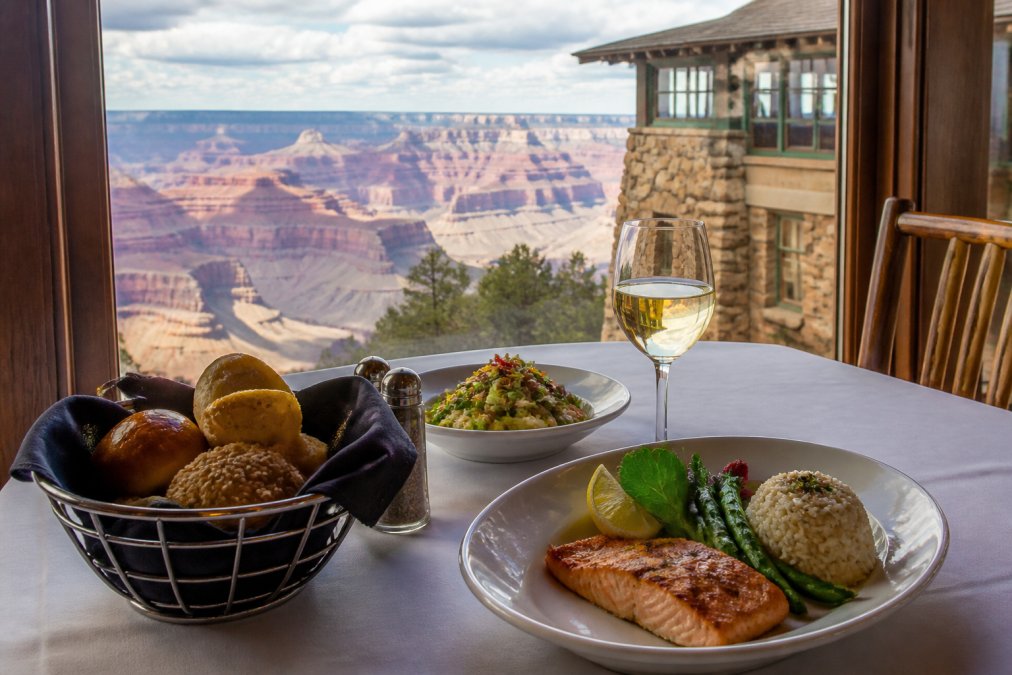
Planning a Grand Canyon trip comes down to making deliberate choices about time, season, and transportation, then building flexibility into each day. Grand Canyon Journeys supports that effort with 100% private tours from Sedona, Flagstaff, Williams, and Tusayan, complete with door-to-door pickup and English or German-speaking guides. Full-day tours include dining at the El Tovar and park fees, so the day feels effortless from start to finish. Get started with Grand Canyon Journeys and turn your Grand Canyon plans into a seamless, memorable experience.
Frequently Asked Questions
How many days do you need to plan a Grand Canyon trip?
A single full day at the South Rim allows you to experience major viewpoints, scenic drives, and a short hike. However, a 2-3 day trip gives you time to explore multiple trailheads, visit the visitor center, and avoid rushing. Your ideal duration depends on your fitness level, interests, and whether you want to hike or simply sightsee.
What is the best time of year to visit the Grand Canyon?
Spring (April-May) and fall (September-October) offer mild temperatures, lower crowds, and excellent visibility for photography. Summer brings peak season with larger crowds and heat at the South Rim, though temperatures remain manageable at the 7,000-foot elevation. Winter offers solitude and occasional snow, but some park facilities may have limited hours. Avoid mid-July through August if you prefer fewer visitors and cooler conditions.
How do I get to the Grand Canyon from Flagstaff or Sedona?
From Flagstaff, the South Rim is about 80 miles (1.5 hours) south via US-180. From Sedona, drive north to Flagstaff, then follow the same route. Personal vehicle rental offers flexibility, but shuttle services and private tour operators provide door-to-door convenience without navigation stress. Many travelers from both hubs prefer private tours to handle transportation logistics while enjoying commentary about the landscape and park history.
What should I pack for a Grand Canyon day trip?
Bring plenty of water, sunscreen, a wide-brimmed hat, and sturdy hiking boots if you plan trails. Layer clothing because temperatures drop significantly with elevation and time of day. Pack snacks, a camera, and a small first-aid kit. In winter, add a warm jacket; in summer, consider a lightweight rain jacket for afternoon thunderstorms. Sunglasses and lip balm with SPF are essential due to intense sun reflection off rock.
Is a private tour better for families visiting the Grand Canyon?
Private tours offer flexibility in pacing, timing, and stop duration, valuable when traveling with children. Your guide can tailor the experience to your family's interests and energy levels without adhering to a fixed group schedule. Comfortable, private vehicle seating reduces restlessness on the drive, and you control when and where you eat. Private tours eliminate the stress of coordinating with large groups, making the experience more relaxed and personalized.
What accessibility features should I know about when planning a Grand Canyon trip?
The South Rim has paved trails suitable for wheelchairs and strollers, including the Rim Trail near major viewpoints. Many visitor centers and facilities offer accessible restrooms and parking. However, most hiking trails descend steeply into the canyon and are not wheelchair-accessible. Accessible lodging and shuttle services are available. Contact the park visitor center ahead of time to confirm current accessibility services and plan your itinerary accordingly.
How do I avoid crowds when planning a Grand Canyon trip?
Visit during shoulder seasons (April-May or September-October) rather than peak summer. Arrive at popular viewpoints early morning or late afternoon. Use less-crowded viewpoints along the scenic drive instead of the main visitor center area. Hike lesser-known trails like Bright Angel Trail's lower sections rather than heavily trafficked rim walks. Weekdays see fewer visitors than weekends. Private tours allow flexible timing to visit popular spots before or after peak hours.
This article was written using GrandRanker
Frequently Asked Questions
Q: How many days do you need to plan a Grand Canyon trip?
A: A single full day at the South Rim allows you to experience major viewpoints, scenic drives, and a short hike. However, a 2-3 day trip gives you time to explore multiple trailheads, visit the visitor center, and avoid rushing. Your ideal duration depends on your fitness level, interests, and whether you want to hike or simply sightsee.
Q: What is the best time of year to visit the Grand Canyon?
A: Spring (April-May) and fall (September-October) offer mild temperatures, lower crowds, and excellent visibility for photography. Summer brings peak season with larger crowds and heat at the South Rim, though temperatures remain manageable at the 7,000-foot elevation. Winter offers solitude and occasional snow, but some park facilities may have limited hours. Avoid mid-July through August if you prefer fewer visitors and cooler conditions.
Q: How do I get to the Grand Canyon from Flagstaff or Sedona?
A: From Flagstaff, the South Rim is about 80 miles (1.5 hours) south via US-180. From Sedona, drive north to Flagstaff, then follow the same route. Personal vehicle rental offers flexibility, but shuttle services and private tour operators provide door-to-door convenience without navigation stress. Many travelers from both hubs prefer private tours to handle transportation logistics while enjoying commentary about the landscape and park history.
Q: What should I pack for a Grand Canyon day trip?
A: Bring plenty of water, sunscreen, a wide-brimmed hat, and sturdy hiking boots if you plan trails. Layer clothing because temperatures drop significantly with elevation and time of day. Pack snacks, a camera, and a small first-aid kit. In winter, add a warm jacket; in summer, consider a lightweight rain jacket for afternoon thunderstorms. Sunglasses and lip balm with SPF are essential due to intense sun reflection off rock.
Q: Is a private tour better for families visiting the Grand Canyon?
A: Private tours offer flexibility in pacing, timing, and stop duration—valuable when traveling with children. Your guide can tailor the experience to your family's interests and energy levels without adhering to a fixed group schedule. Comfortable, private vehicle seating reduces restlessness on the drive, and you control when and where you eat. Private tours eliminate the stress of coordinating with large groups, making the experience more relaxed and personalized.
Q: What accessibility features should I know about when planning a Grand Canyon trip?
A: The South Rim has paved trails suitable for wheelchairs and strollers, including the Rim Trail near major viewpoints. Many visitor centers and facilities offer accessible restrooms and parking. However, most hiking trails descend steeply into the canyon and are not wheelchair-accessible. Accessible lodging and shuttle services are available. Contact the park visitor center ahead of time to confirm current accessibility services and plan your itinerary accordingly.
Q: How do I avoid crowds when planning a Grand Canyon trip?
A: Visit during shoulder seasons (April-May or September-October) rather than peak summer. Arrive at popular viewpoints early morning or late afternoon. Use less-crowded viewpoints along the scenic drive instead of the main visitor center area. Hike lesser-known trails like Bright Angel Trail's lower sections rather than heavily trafficked rim walks. Weekdays see fewer visitors than weekends. Private tours allow flexible timing to visit popular spots before or after peak hours.