 ultimate-guide
German-Speaking Grand Canyon Tour Guides: What to Know
Table of Contents
- Why a German-Speaking Guide Matters for Your Grand Canyon Experience
- Private Grand Canyon Tours from Sedona and Other Northern Arizona Departure Points
- What a Grand Canyon Day Tour Itinerary Actually Includes
- Guided Canyon Hikes vs. Scenic Overlook Tours
- How to Find and Book a German-Speaking Tour Guide
- What Sets Private Tours Apart from Group Bus Experiences
- Accessibility and Comfort Considerations for All Travelers
- Conclusion
- Frequently Asked Questions
Last Updated: September 3, 2026
Why a German-Speaking Guide Matters for Your Grand Canyon Experience
Traveling to one of the world's most iconic natural wonders is thrilling until you realize the guide is speaking quickly in English, using geological terms you don't quite catch, and cultural nuances are being lost in translation. A German-speaking Grand Canyon tour guide transforms that experience entirely. Instead of nodding along, you're absorbing the full story: the geology, human history, and folklore that shape how you understand what you're seeing.
For German-speaking travelers, this isn't just convenience, it's the difference between a memorable day and a transformative one. When a guide speaks your language fluently, they can explain the Vishnu Basement Rocks with precision, share stories of the Indigenous peoples who have called this place home for centuries, and answer your questions in real time without the mental strain of translation. The experience becomes intimate, personal, and genuinely educational.
Grand Canyon Journeys specializes in exactly this kind of experience. With professional German-speaking guides and a commitment to personalized service, the company helps international visitors experience the canyon at a pace and depth that matches their expectations. Guests who book with native-language guides report feeling more connected to the landscape, more confident asking questions, and more satisfied with their overall journey.
Private Grand Canyon Tours from Sedona and Other Northern Arizona Departure Points
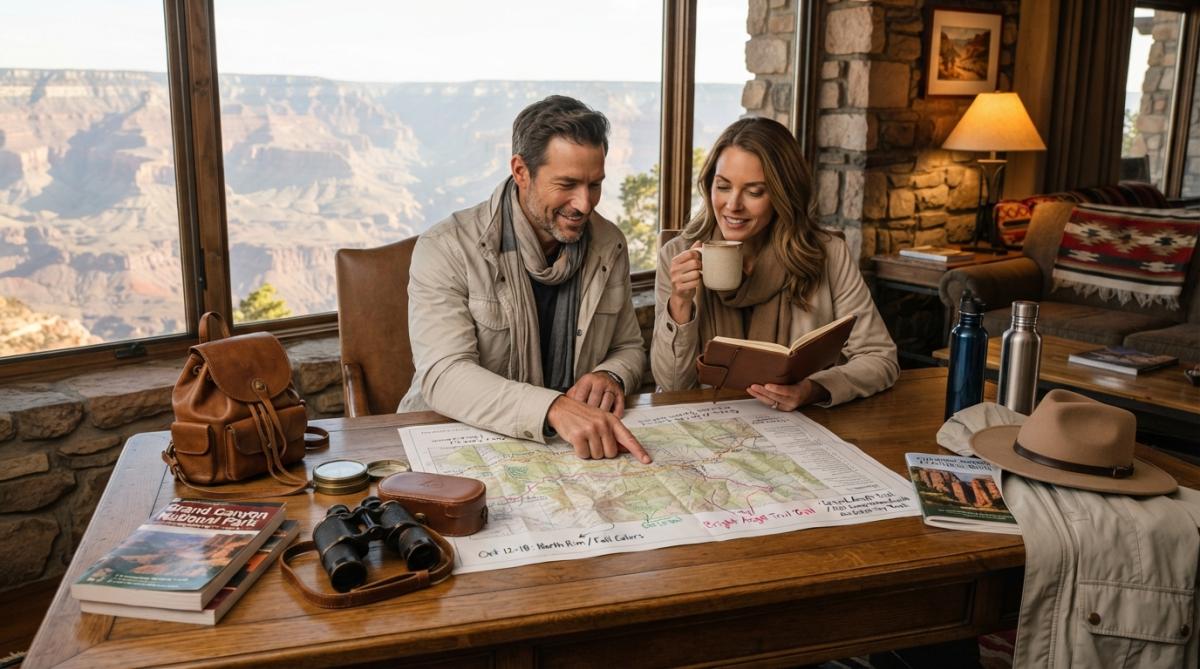
Where you depart from matters more than many travelers realize. Whether you're staying in Sedona, Flagstaff, Williams, or Tusayan, your departure point determines not just drive time but the entire rhythm of your day. A private tour that picks you up from your hotel eliminates logistical friction and the stress of finding a meeting point.
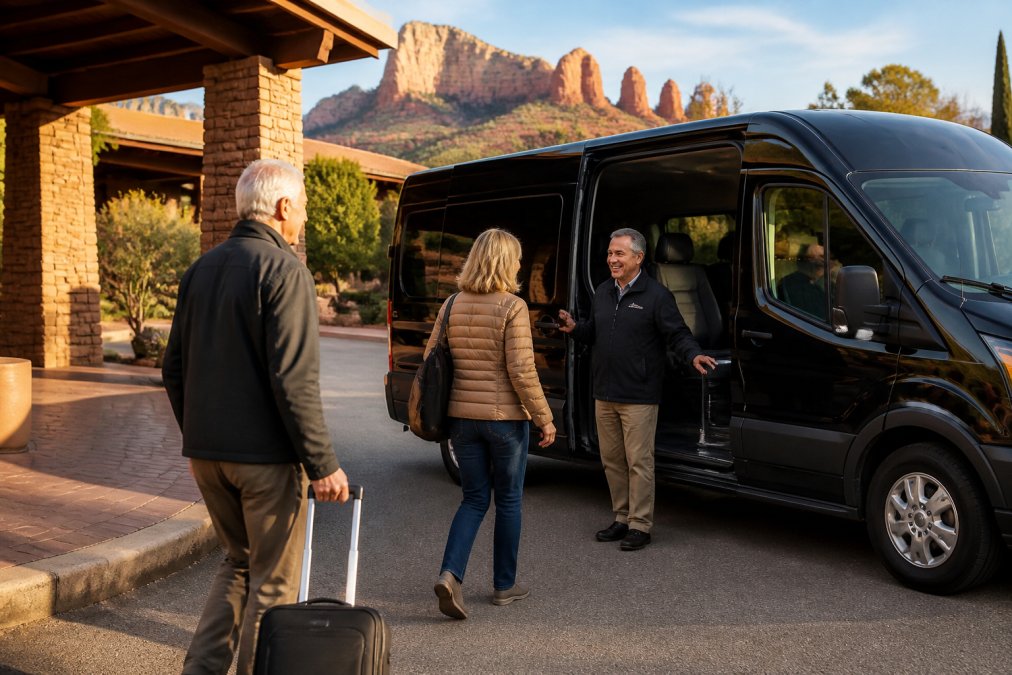
Private tours from Sedona offer a particular advantage: the drive itself becomes part of the experience. The road to the South Rim passes through landscape transitions that a German-speaking guide can contextualize, the shift from red rocks to ponderosa pine forest, the elevation changes that affect temperature and vegetation. That 90-minute journey, handled by a professional driver in a comfortable vehicle, becomes educational rather than tiring.
From Flagstaff, the departure is shorter geographically but equally refined. Flagstaff sits at 7,000 feet elevation, the same height as the South Rim itself, so the landscape context differs. A guide departing from Flagstaff can explain why the climate at the rim differs so dramatically from the inner canyon and how the geology visible from this vantage point tells a different story than views from lower elevations.
Williams and Tusayan, smaller communities closer to the park's south entrance, offer more direct access. Less driving time means more hours at the canyon itself, a significant advantage for families with young children or travelers with limited stamina.
Grand Canyon Journeys operates door-to-door pickup from hotels and bed-and-breakfasts across these Northern Arizona communities. Your private tour begins the moment a professional guide arrives at your accommodation. The vehicle, an upgraded Ford Transit van, is designed for comfort and flexibility, with seating that accommodates various group sizes and mobility needs.
What a Grand Canyon Day Tour Itinerary Actually Includes
A thoughtfully designed itinerary balances structure with flexibility, ensuring you see essential scenic overlooks and geological features while leaving room for moments that matter most to your group.
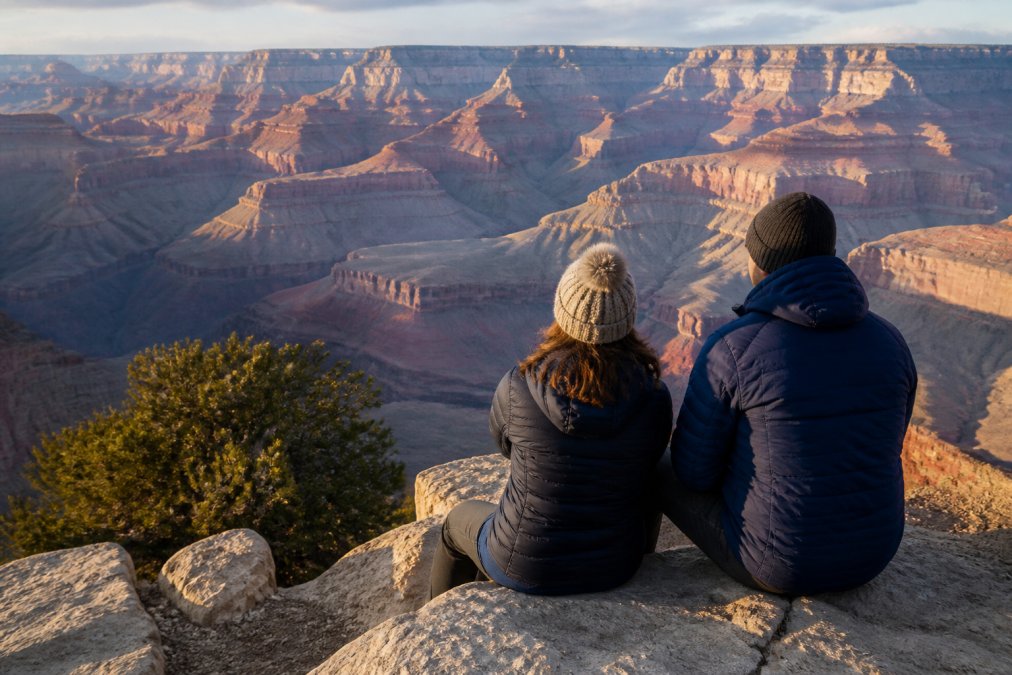
A typical day tour itinerary at the South Rim includes several key stops. Mather Point, often the first major overlook, provides a broad view of the canyon's scale and introduces the basic geological story. From there, the tour typically moves west along the Rim Trail or via vehicle to overlooks like Yavapai Point, Hopi Point, and Mohave Point, each offering different perspectives on the canyon's layers, the Colorado River far below, and the North Rim in the distance.
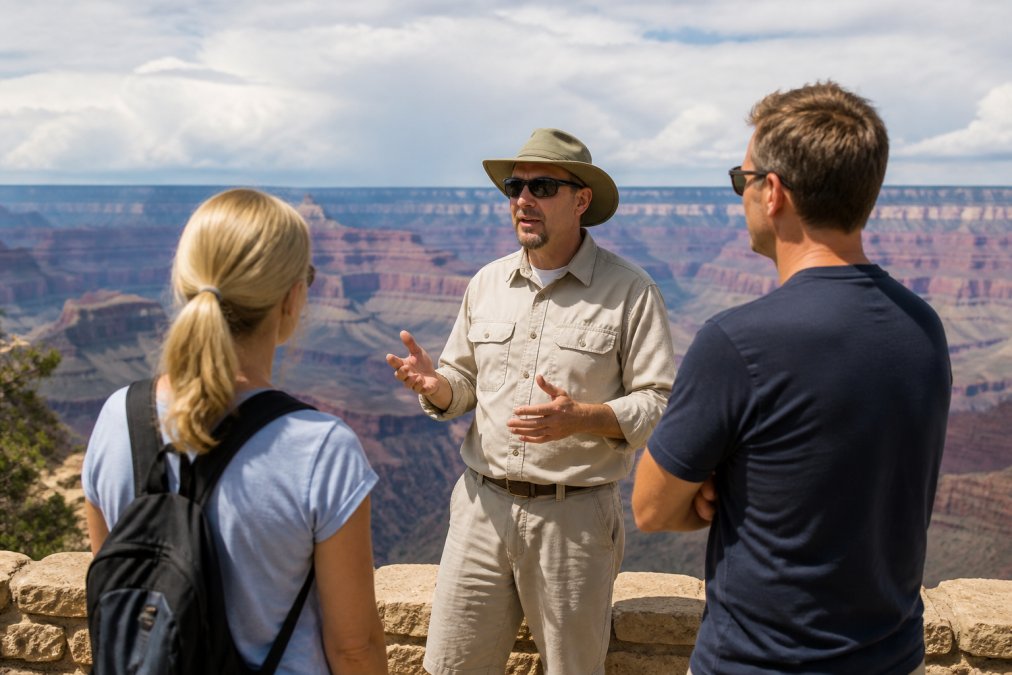
The geological narrative matters here. A competent guide explains what you're actually looking at: the oldest rocks visible in the canyon's depths (the Vishnu Basement Rocks, nearly 2 billion years old), the Tapeats Sandstone that marks an ancient sea, and the Redwall Limestone that creates the canyon's distinctive horizontal striations. When a German-speaking guide delivers this information in your native language, the complexity becomes accessible rather than overwhelming.
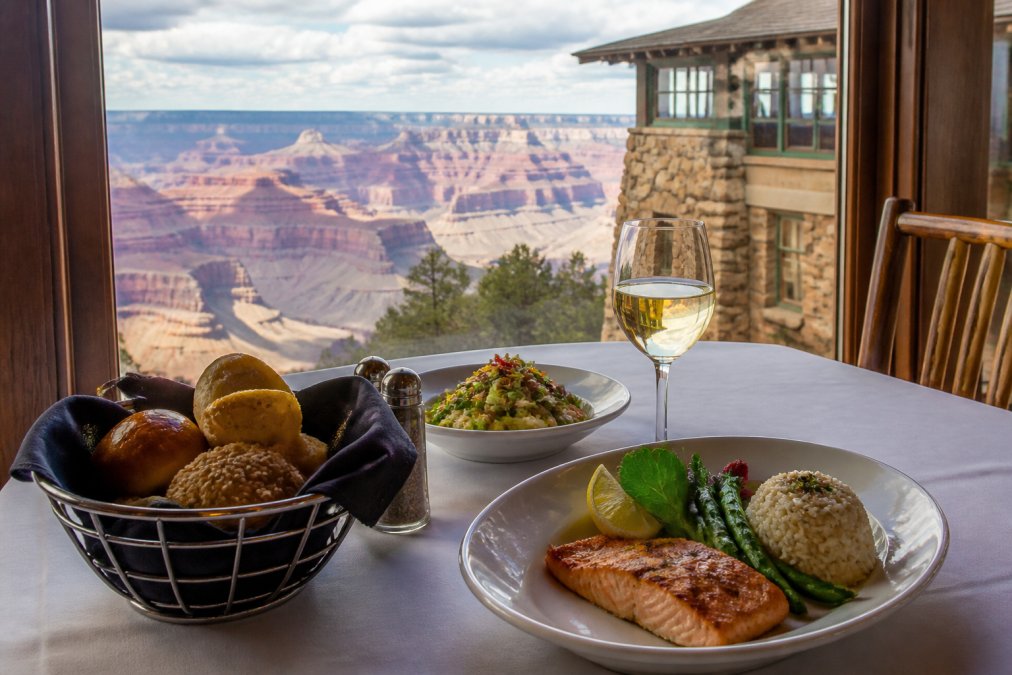
Many itineraries include a stop at the historic El Tovar, the 1905 stone lodge directly on the rim. The architecture itself tells a story about early 20th-century tourism and cultural values of that era. If your tour includes dining, the El Tovar offers both a meal and a moment to absorb the experience in a setting designed for exactly that purpose.
The timing of overlook visits matters significantly. A professional itinerary schedules stops to catch different light qualities: morning light reveals certain geological features, while late afternoon light transforms the canyon's colors entirely.
A full-day itinerary typically spans 8-10 hours total, including transportation, multiple overlooks, and a meal break. Half-day tours compress the experience into 4-5 hours, focusing on essential overlooks and requiring a faster pace.
Guided Canyon Hikes vs. Scenic Overlook Tours
Not every visitor wants to hike. Some prefer experiencing the landscape from established overlooks accessible by vehicle or short walks. Others specifically seek deeper immersion through guided hikes into the canyon itself. Understanding the difference is essential before booking.
Scenic overlook tours keep you on the rim or on short, paved or well-maintained trails near the rim. You experience the canyon's scale, geology, and visual drama without descending into the backcountry. These tours work well for families with young children, older adults, travelers with mobility considerations, or anyone wanting a full-day experience without significant physical demand. The advantage is accessibility: you can cover substantial ground, visit multiple overlooks, and spend hours absorbing the landscape without exhaustion limiting your day.
Guided canyon hikes involve actual descent into the canyon, typically to Plateau Point, the Colorado River, or intermediate destinations depending on fitness level and time available. Grand Canyon Journeys offers day hiking experiences that take you below the rim, allowing you to experience the canyon's inner layers, cooler temperatures, and the Colorado River itself. Day hikes are substantially more demanding than rim-based tours.
Day hiking is not automatically included in a standard sightseeing tour. If hiking is your priority, you must book a hiking-specific experience. If you're booking a scenic day tour focused on overlooks and cultural history, expect to remain on or near the rim.
Temperature differences between the rim and inner canyon are dramatic. The South Rim sits at approximately 7,000 feet elevation (nps.gov). The Colorado River, roughly 5,000 feet below, experiences substantially hotter conditions, often 15-20 degrees Fahrenheit warmer than rim temperatures. A German-speaking guide will explain these environmental shifts and help your group prepare appropriately with water, sun protection, and realistic expectations about physical exertion.
How to Find and Book a German-Speaking Tour Guide
Finding a tour operator that genuinely offers German-speaking guides requires asking specific questions before booking. Not every company advertising multilingual service employs native-speaking guides. Some use translation apps or guides with conversational German but limited expertise in geological or cultural terminology.
Start by asking directly: Is the guide a native German speaker? How long have they worked as a guide at the Grand Canyon? Can they explain geological concepts in German with technical accuracy? A legitimate operator will answer these questions specifically rather than vaguely.
Grand Canyon Journeys employs professional German-speaking guides as core staff, not as occasional contractors. This matters because consistent guides develop deeper expertise, better relationships with regular guests, and investment in delivering exceptional experiences. When you book with the company, you're not hoping a German speaker will be available, you're booking with certainty that your guide speaks German fluently and has been trained in the company's standards for service and expertise.
The booking process should feel straightforward. A professional operator will ask about your group's size, interests, physical abilities, preferred dates, and any specific requests or concerns. They'll explain what's included, what's not, and what the cancellation policy actually is. Grand Canyon Journeys offers full refunds for cancellations made at least 24 hours before departure, a policy that gives travelers genuine flexibility without financial risk if plans change.
When contacting a tour operator, look for responsiveness and specificity in their answers. Generic replies suggest they're treating your inquiry as one of hundreds. Detailed responses about your specific group and preferences indicate a company genuinely interested in delivering a great experience.
What Sets Private Tours Apart from Group Bus Experiences
The difference between a private tour and a group bus tour extends far beyond vehicle size. It affects the pace, flexibility, quality of guide attention, and ultimately what you remember about the day.
A group bus tour operates on a fixed schedule and predetermined route. The bus departs at a set time, stops at designated overlooks for a fixed duration, and returns on schedule. If your group wants to linger because the light is particularly beautiful or a question has sparked deeper conversation, you're constrained by the bus schedule. The guide's attention is divided among 30-50 passengers, making personalized conversation nearly impossible.
A private tour operates on your group's rhythm. If an overlook captivates you, you stay longer. If a geological formation sparks curiosity, your guide has time to explore the question thoroughly. If your group includes children, a private guide can adjust explanations to age-appropriate language and pacing. If someone has mobility limitations, the vehicle can park closer to overlooks and move at an appropriate pace without affecting others.
The vehicle itself differs substantially. A group bus prioritizes capacity and efficiency with limited legroom. An upgraded Ford Transit van prioritizes comfort and flexibility. Seating is more spacious, positioning is better for views, and the smaller group size means you're not jostling for window access.
A private guide has invested in developing deep knowledge because they work regularly with engaged travelers who ask complex questions. A group bus guide delivers a script to a transient audience, many checking email or sleeping through portions of the experience. The difference in engagement and educational value is substantial.
Accessibility and Comfort Considerations for All Travelers
The Grand Canyon's scale and the logistics of a full day of sightseeing create real accessibility challenges deserving honest discussion. The South Rim sits at approximately 7,000 feet elevation, high enough that some visitors experience altitude effects like mild headache or shortness of breath, particularly on the first day at elevation (the CDC). The rim itself is generally accessible via paved or well-maintained trails, but some overlooks require short walks on uneven terrain.
Physical stamina matters for a full day of touring. Even without hiking into the canyon, a typical itinerary involves multiple stops, walking between overlooks, and hours of standing on relatively uneven ground. Travelers with arthritis, mobility limitations, or significant fatigue should discuss their specific situation with the tour operator before booking.
A private tour operator can accommodate accessibility needs in ways group tours cannot. Vehicle positioning can be adjusted to minimize walking distance from parking to overlooks. Stops can be scheduled with rest breaks built in. Pacing can be slowed to match group capability.
Grand Canyon Journeys' Ford Transit vans have flexible seating that can accommodate various mobility needs. The company works with guests before the tour to understand any accessibility requirements and plan accordingly.
The canyon's sun exposure is intense, with significant UV radiation intensified by rock reflection (the EPA). Bring high-SPF sunscreen, a hat, and sunglasses. The wind at the rim can be surprisingly strong, particularly in spring and fall. Layers are essential because temperature shifts dramatically as you move between elevations or as the day progresses.
Water intake is critical. The dry air at elevation increases dehydration risk, and the physical activity of a full day compounds this. A professional tour operator will emphasize hydration and ensure you have access to water throughout the day.
For German-speaking travelers unfamiliar with the specific environmental conditions of the Arizona high desert, a guide who can explain these factors in your native language significantly reduces anxiety and improves comfort throughout the day.
Conclusion
A German-speaking Grand Canyon tour guide is an investment in genuine understanding and comfort. The landscape's complexity, the cultural history embedded in the geology, and the logistical details of a full day at the canyon all become more accessible, more meaningful, and more enjoyable when experienced in your native language with a guide who understands both the canyon and the specific needs of German-speaking travelers.
For German-speaking travelers planning a Grand Canyon experience from Sedona, Flagstaff, Williams, or Tusayan, Grand Canyon Journeys offers professional German-speaking guides, private door-to-door service, and itineraries designed around your group's interests and pace. The company's 100% private tours eliminate the logistical stress of group travel while delivering the expertise and attention that transforms a scenic day into a genuinely memorable experience. Check Availability to discuss your specific travel dates, group composition, and interests with a professional who can design an itinerary tailored to your needs.
Frequently Asked Questions
Q: Are there guided tours of the Grand Canyon available in German?
A: Yes. Many tour operators, including private tour companies serving Northern Arizona, offer German-speaking guides for Grand Canyon sightseeing. When booking, ask directly whether your guide will be a native-speaking professional. Private tour operators often match guests with guides based on language preference and availability, so confirm this during your reservation. Booking in advance increases the likelihood of securing a German-speaking guide for your preferred dates.
Q: What is the best way to travel to the Grand Canyon from Sedona or Flagstaff?
A: Private day tours with door-to-door pickup offer the most flexible and comfortable option. You avoid driving yourself, navigating park logistics, and dealing with crowded parking. A professional tour manager handles transportation, park entrance coordination, and the itinerary, allowing you to focus on the experience. From Sedona, Flagstaff, Williams, or Tusayan, private tours eliminate stress and let you enjoy the scenery from departure to return.
Q: What are the benefits of a private tour versus a group bus tour?
A: Private tours offer customizable itineraries tailored to your group's pace and interests, no shared seating with strangers, flexible departure times, and often include amenities like park fees and dining. Group bus tours move on a fixed schedule with 40+ passengers, limited stops, and less personal attention. Private tours cost more but deliver a personalized guest experience with a professional guide focused entirely on your group, making them ideal for families, couples, and those seeking a premium sightseeing adventure.
Q: How far in advance should I book a private tour guide?
A: Booking 2-4 weeks ahead is standard and increases your chances of securing a German-speaking guide and your preferred dates. During peak travel seasons, book earlier. Many operators offer flexible cancellation policies (full refund if canceled at least 24 hours before departure), so early booking carries minimal risk. Contact your tour operator directly to discuss availability and confirm your guide's language before finalizing your reservation.
This article was written using GrandRanker