 ultimate-guide
Sedona Travel Guide: Plan the Perfect Trip
Table of Contents
- What to Know Before You Arrive: Sedona Travel Guide Essentials
- Best Time to Visit Sedona by Season
- Top Things to Do: Trails, Vortexes, and Scenic Drives
- Sedona Itinerary 3 Days: A Practical Day-by-Day Plan
- Day Trips from Sedona Worth Adding to Your Plans
- Where to Stay and Dine: Accommodations and Restaurants
- Sedona Private Tours and Sustainable Travel Tips
- Sedona Travel Guide: What Locals Wish Visitors Knew
Last Updated: August 26, 2026
Sedona earns its reputation. Red rock formations rise from the high desert floor, vortex energy draws seekers from around the world, and hiking trails reward effort with views few landscapes can match. This Sedona travel guide from Grand Canyon Journeys pulls together what first-time and returning visitors need to plan a trip beyond the postcard version.
Sedona's popularity has created real logistical challenges. Trailhead parking fills before 8 a.m. on weekends, traffic through Uptown can stall for an hour, and prioritizing activities in a compact area is difficult without a framework. This guide covers when to visit, what to do, how to structure a Sedona itinerary 3 days, and what most visitors miss entirely.
What to Know Before You Arrive: Sedona Travel Guide Essentials
Sedona sits at approximately 4,500 feet in elevation, which surprises many visitors expecting a flat desert floor. The high desert climate means significant temperature swings between day and night, strong UV radiation year-round, and afternoon thunderstorms in summer that arrive and depart quickly. Packing layers is essential, even in July.
Desert Climate, Elevation, and Packing Essentials
The elevation keeps Sedona cooler than Phoenix but warmer than Flagstaff, which sits at roughly 7,000 feet. Summer highs commonly reach the upper 90s Fahrenheit, while mornings and evenings remain noticeably cooler. Winter temperatures drop into the low 30s overnight but typically climb to pleasant hiking conditions by midday.
Essential packing includes sunscreen SPF 50 or higher, a wide-brim hat and UV-blocking sunglasses, layers like a light fleece or packable jacket, sturdy closed-toe shoes or trail runners for uneven red rock, and at least two liters of water per person for outdoor activity. Visitors from sea level may notice mild fatigue on the first day; hydrating well before arrival helps considerably.
Getting Around: Shuttle Service, Trailhead Parking, and Traffic
The biggest logistical challenge is parking. The Red Rock Pass is required at most trailheads and day-use areas managed by the Coconino National Forest. As documented in Coconino National Forest recreation information, the pass covers most trailhead parking and can be purchased at self-serve stations or online in advance.
The Sedona Shuttle connects Uptown with several popular trailheads, reducing the need to drive and park at congested access points. On busy weekends, using the shuttle is genuinely faster than circling for parking. Visitors arriving by car should reach trailheads before 8 a.m. on weekends or use the shuttle as the practical alternative.
Best Time to Visit Sedona by Season
The best time to visit depends on what a traveler prioritizes: mild temperatures, smaller crowds, or specific seasonal events.
Spring and Fall: The Sweet Spots
Spring and fall consistently deliver balanced conditions. Temperatures from late March through May and September through November sit in the 60s and 70s Fahrenheit during the day, ideal for hiking and outdoor recreation. Wildflower blooms in spring add color to the landscape, while fall brings golden cottonwood foliage along Oak Creek Canyon.
The trade-off: these are Sedona's busiest seasons. Expect full trailhead parking lots, longer waits at restaurants, and the need to book accommodations well in advance. Arriving midweek rather than on weekends makes a noticeable difference in crowd levels.
Summer Heat and Winter Crowds: Honest Trade-Offs
Summer is hot but manageable with the right approach. Starting hikes before 7 a.m. and finishing by 10 a.m. avoids the worst midday heat. Afternoon monsoon thunderstorms, typically from July through September, create dramatic conditions and cool temperatures quickly, though lightning on exposed red rock requires caution.
Winter brings its own appeal. Seasonal weather keeps many casual visitors away, meaning shorter lines and quieter trails. Snow occasionally dusts the red rock formations, producing striking landscape photography opportunities. The downside is limited daylight and occasional trail closures after ice or snow.
Top Things to Do: Trails, Vortexes, and Scenic Drives
Sedona's outdoor recreation options are extensive. The difficulty is choosing which experiences to prioritize given limited time.
Hiking Trails Worth the Drive
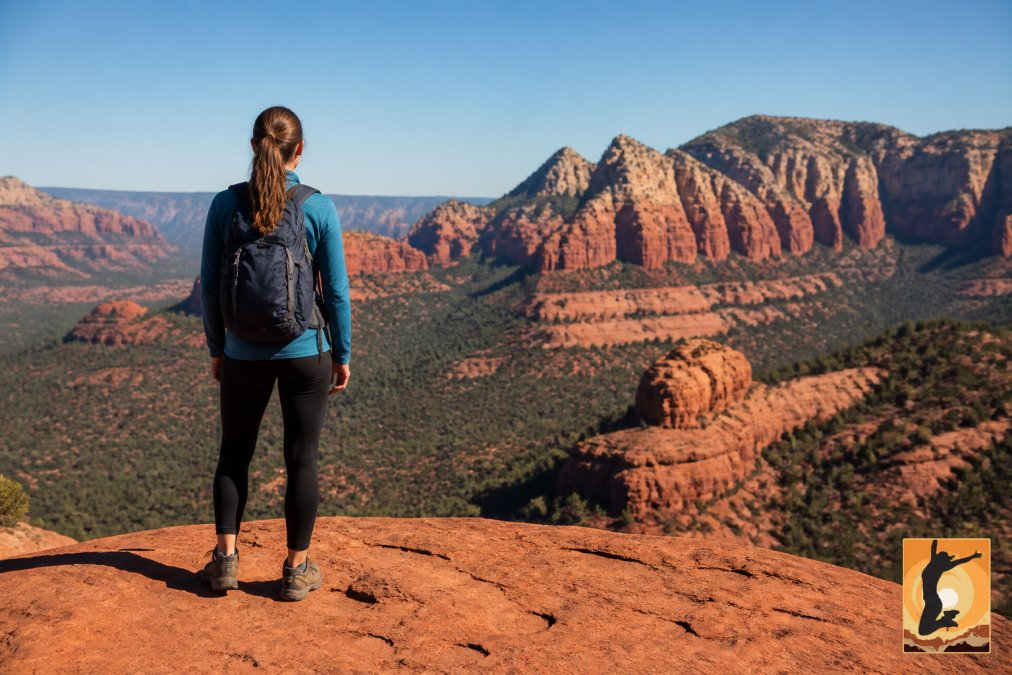
Sedona's hiking trails range from paved, accessible paths to strenuous technical scrambles, offering something for every fitness level.
| Trail | Difficulty | Round-Trip Distance | Best For |
|---|---|---|---|
| Airport Mesa Loop | Easy-Moderate | 3.4 miles | Sunset viewpoints, vortex access |
| Devil's Bridge | Moderate | 4.2 miles | Iconic arch, landscape photography |
| Cathedral Rock | Strenuous | 1.5 miles | Vortex site, panoramic views |
| West Fork Trail | Easy | Up to 6.9 miles | Shaded canyon exploration, flora |
| Soldier Pass | Moderate | 4.0 miles | Geological features, caves |
A common mistake is underestimating trail difficulty based on distance alone. Cathedral Rock covers less than two miles round-trip but involves steep scrambling over slick red rock. Footwear matters more than fitness level on many routes.
Vortex Sites and Wellness Experiences
Sedona's vortex energy sites draw visitors seeking spiritual renewal, meditation, and wellness retreat experiences. The four primary vortex sites, Airport Mesa, Bell Rock, Boynton Canyon, and Cathedral Rock, are accessible via hiking trails and require no permits or guides. Whether a visitor arrives as a skeptic or a seeker, the landscape itself has a quality that most people find genuinely affecting.
Off-Road Adventure and Stargazing
Off-road adventure is central to the Sedona experience. Jeep tours access routes that standard vehicles cannot, including trails through remote canyon areas and elevated viewpoints above main tourist corridors. Mountain biking on trails like Hiline and Hangover is considered among the best technical riding in the Southwest.
Sedona's dark sky conditions make stargazing rewarding, particularly from elevated positions away from Uptown lighting. Airport Mesa is a popular sunset viewpoint and strong photography location, with red rock formations catching warm golden light in the final hour before dark. For landscape photography, the first and last hours of daylight produce the most dramatic color saturation on red rock formations.
Sedona Itinerary 3 Days: A Practical Day-by-Day Plan
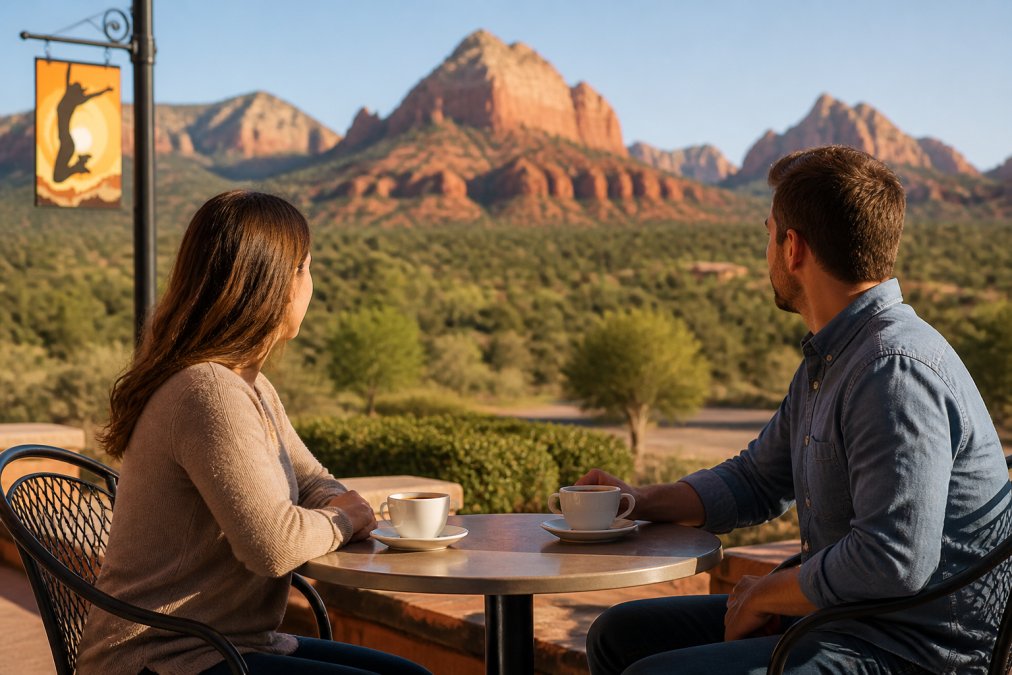
A Sedona itinerary 3 days is enough time to cover main highlights without feeling rushed, provided planning is realistic about travel times and crowd management. This structure prioritizes mornings for outdoor activity and afternoons for cultural and culinary experiences.
Day 1: Red Rock Country Orientation
Start with Airport Mesa at sunrise. The trailhead is close to town, parking is manageable before 7 a.m., and the loop delivers a comprehensive view of surrounding red rock landscape. Mid-morning, drive Oak Creek Canyon north toward Flagstaff for scenic vistas along canyon walls. This takes roughly 45 minutes one way and is one of the most photographed drives in Northern Arizona. Return to Sedona for lunch in Uptown.
Afternoon: visit Tlaquepaque Arts and Shopping Village, a Spanish colonial-style complex with galleries, artisan shops, and restaurants set around a central courtyard. Evening: sunset at Cathedral Rock or Bell Rock, followed by dinner in Sedona's West Village area.
Day 2: Canyon Exploration and Cultural Heritage
Day 2 is for deeper canyon exploration and engaging with indigenous heritage. The Sinagua people inhabited this region for centuries, and their presence is visible in cliff dwellings and petroglyphs accessible through several trails and guided experiences.
Honanki Heritage Site and Palatki Heritage Site, both managed by the Coconino National Forest, offer guided tours of Sinagua cliff dwellings and rock art. Reservations are required and fill quickly. Afternoon: West Fork Trail through Oak Creek Canyon provides good contrast to the morning's experience.
Day 3: Grand Canyon Day Trip or Slow Morning in Town
The third day presents a genuine choice. Sedona is approximately 115 miles from the South Rim of the Grand Canyon, making a day trip feasible but demanding. The drive takes roughly two hours each way, requiring an early departure to allow meaningful time at the rim.
For visitors preferring a slower pace, a morning hike to Devil's Bridge followed by lunch and gallery browsing in Uptown is satisfying. For those adding the Grand Canyon to their plans, a private guided tour removes navigation and parking challenges. Grand Canyon Journeys offers 100% private tours with door-to-door pickup from Sedona and Flagstaff, English and German-speaking guides, and flexible itineraries designed around the group rather than a fixed schedule. Guests receive a full refund when tours are canceled at least 24 hours before departure.
Day Trips from Sedona Worth Adding to Your Plans
Day trips from Sedona expand the itinerary considerably without requiring a change of accommodation base.
Flagstaff sits 30 miles north and offers a distinctly different character: a university town with craft breweries, the Lowell Observatory, and access to the San Francisco Peaks.
Jerome is a former copper mining town perched on Cleopatra Hill, 25 miles southwest of Sedona. The town's gallery scene and dramatic views make it a worthwhile three- to four-hour excursion.
Montezuma Castle National Monument, managed by the National Park Service, is 20 miles south of Sedona and protects one of the best-preserved cliff dwellings in North America. As noted in Montezuma Castle National Monument visitor information, the site is accessible year-round and typically requires two to three hours to visit thoroughly.
Williams is roughly 60 miles northwest of Sedona and serves as the southern gateway to the Grand Canyon via the historic Grand Canyon Railway. It is a natural stopping point for travelers combining Sedona with a Grand Canyon visit.
Where to Stay and Dine: Accommodations and Restaurants
Sedona's accommodations range from roadside motels to resort properties with spa services and canyon views. The right choice depends on budget, travel style, and which part of the itinerary matters most.
Budget-Friendly vs. Luxury: What Your Dollar Gets You
Budget accommodations in Sedona are more limited than in comparable tourist towns. Demand for the destination, combined with constrained supply, keeps prices higher than many visitors expect. More affordable options tend to cluster along State Route 89A outside Uptown, or in nearby communities like Cottonwood and Camp Verde, which are 15 to 20 minutes away.
Luxury properties in Sedona are impressive. Several resorts occupy canyon-view positions that integrate the red rock landscape into property design. Booking well in advance is essential for peak season dates.
Fine Dining and Local Restaurants Worth Knowing
Sedona's restaurant scene punches above its size. Several establishments offer fine dining with locally sourced menus and wine programs reflecting the elevation and climate of the high desert. Popular restaurants fill quickly on weekend evenings, and walk-in availability at better-known spots is limited from April through October. Making reservations before arriving is the standard approach.
Sedona Private Tours and Sustainable Travel Tips
Sustainable Tourism and Trail Etiquette
Sedona's popularity creates real pressure on trails, geology, and flora. Leave No Trace principles apply directly: staying on marked trails prevents erosion of fragile red rock soil, and off-trail scrambling at popular sites like Bell Rock has caused measurable damage to geological features. According to Leave No Trace Center for Outdoor Ethics principles, staying on durable surfaces and packing out all waste are the highest-impact behaviors for preserving high-traffic natural areas. Visiting popular trailheads on weekdays rather than weekends reduces congestion meaningfully.
Accessibility for Mobility-Impaired Travelers
Sedona is more accessible than its reputation for rugged terrain suggests, provided planning accounts for specific needs. Several trails and viewpoints are paved or hardened-surface paths suitable for wheelchairs and mobility aids. The Bell Rock Pathway is a wide, relatively flat trail providing access to views of Bell Rock and Courthouse Butte without scrambling. The Airport Mesa Overlook is paved and accessible directly from a parking area.
For visitors whose mobility limitations make independent outdoor exploration difficult, a private guided tour provides a structured way to experience the landscape without uncertainty of self-navigating uneven terrain. Grand Canyon Journeys' private tour format, with flexible Ford Transit vehicles and itineraries adjusted to the group's needs, is worth considering for travelers wanting a personalized approach.
Sedona Travel Guide: What Locals Wish Visitors Knew
The most useful Sedona travel guide advice rarely appears in official tourism materials:
The crowds are front-loaded. Most visitors arrive late morning and cluster in Uptown and at the most-photographed trailheads. Arriving early or staying late shifts the entire experience.
The vortex sites are free. No guide, fee, or reservation is required to visit any of the four main vortex sites. The landscape itself is accessible to anyone willing to walk to it.
Weather changes fast. Afternoon monsoon storms in summer can turn a clear sky dark in 20 minutes. Checking the forecast before heading out and carrying a light rain layer is basic preparedness.
The inner canyon is dramatically hotter than Sedona. The South Rim sits at approximately 7,000 feet, but the inner canyon can be 20 to 30 degrees Fahrenheit hotter. Sedona's summer temperatures do not prepare visitors for inner-canyon conditions.
Book accommodation before you arrive. This is not a destination where last-minute availability is reliable, particularly from March through November.
Sedona rewards travelers who plan carefully and move through it with patience. The logistics are manageable once understood, and the landscape delivers on its reputation. For visitors extending their Northern Arizona trip to include the Grand Canyon, Grand Canyon Journeys provides 100% private tours with door-to-door pickup from Sedona and Flagstaff, English and German-speaking guides, and flexible itineraries designed around the group rather than a fixed schedule. Guests receive a full refund when tours are canceled at least 24 hours before departure. Check availability to find a departure that fits the trip.
Frequently Asked Questions
How many days do you need to see Sedona?
Three days covers the highlights comfortably: one day for hiking and vortex sites, one for scenic drives and local culture, and one for a day trip to the Grand Canyon or Oak Creek Canyon. Two days works if your schedule is tight, but you'll feel rushed. Visitors who linger four or five days tend to appreciate the slower pace, especially for landscape photography, wellness retreats, and exploring lesser-known trails away from tourist crowds.
What is the best time of year to visit Sedona?
March through May and September through November offer the most reliable conditions: mild temperatures, manageable crowds, and good light for photography. Summer brings intense heat, often above 100°F in the high desert, though the red rock formations stay stunning. Winter is cooler and occasionally snowy, which creates dramatic scenic vistas but can close some trailheads. If avoiding crowds matters, weekday visits in early spring or late fall are your best options regardless of the month.
What should I know before visiting Sedona for the first time?
Trailhead parking fills fast, especially on weekends. The Red Rock Pass is required at most trailheads. Cell service can be spotty in canyon areas, so download offline maps before you go. The high desert climate means temperature swings of 30°F or more between morning and afternoon, so layer your clothing. Altitude sickness is less common here than at the Grand Canyon's South Rim (around 7,000 feet), but Sedona sits above 4,300 feet, so hydrate early and often.
What are the must-see attractions in Sedona?
Cathedral Rock, Bell Rock, and Airport Mesa rank among the most visited scenic vistas and vortex sites. Chapel of the Holy Cross is a landmark worth visiting for its architecture and views. Tlaquepaque Arts and Shopping Village reflects local cultural history. For outdoor recreation, Slide Rock State Park draws families in summer. Oak Creek Canyon along Highway 89A offers one of the most scenic drives in Arizona, with geology, flora and fauna, and creek access all in one corridor.
What are Sedona private tours, and are they worth it?
Private tours give your group exclusive access to a guide and vehicle without sharing the experience with strangers. Unlike group bus tours, a private tour sets its own pace, stops where your group wants, and can be tailored around interests like geology, photography, or wellness. For families, couples celebrating a special occasion, or travelers with specific accessibility needs, the flexibility often justifies the cost. Grand Canyon Journeys offers 100% private tours from Sedona with door-to-door pickup.
What day trips from Sedona are worth planning?
The Grand Canyon South Rim is roughly two hours from Sedona and makes a full and rewarding day trip. Flagstaff is about 45 minutes north and offers Lowell Observatory, historic Route 66, and access to the San Francisco Peaks. Jerome, a former mining town turned arts community, sits about 30 minutes away and is easy to add to an afternoon. Montezuma Castle National Monument, about 25 minutes south, provides a window into indigenous heritage and Sinagua cliff dwellings.
Why are yellow signs prohibited in Sedona?
Sedona enforces strict sign ordinances designed to protect its scenic character and red rock views. The city's sign code limits colors, sizes, and placement of commercial signage to prevent visual clutter that would detract from the landscape. Yellow, being a high-contrast attention-grabbing color, conflicts with the goal of keeping the visual environment consistent with the natural surroundings. It's one of several local rules that reflect how seriously the community takes preserving Sedona's aesthetic identity.
This article was written using GrandRanker