 ultimate-guide
How to Visit the Grand Canyon with Toddlers
Table of Contents
- How to Visit the Grand Canyon with Toddlers: The Complete Overview
- Safety and Fall Prevention at the South Rim
- Stroller-Friendly Trails at Grand Canyon South Rim
- Best Time of Year to Visit Grand Canyon with Kids
- Toddler Packing List for Grand Canyon Visits
- Private Family Tours at the Grand Canyon
- Essential Gear and Logistical Planning
- Preparing for Emergencies and Visitor Center Resources
Last Updated: August 28, 2026
How to Visit the Grand Canyon with Toddlers: The Complete Overview
Visiting the Grand Canyon with toddlers requires careful planning, but the experience can be deeply rewarding when approached thoughtfully. The South Rim sits at approximately 7,000 feet in elevation, which affects temperature and physical exertion (nps.gov). Toddlers experience altitude differently than older children, fatigue sets in faster, hydration needs are higher, and the dry desert air can be harsh on small airways.
The key to success is managing expectations and building flexibility into your itinerary. Rather than attempting to see everything, families who focus on one or two manageable viewpoints, include adequate rest time, and prioritize comfort report far better outcomes. Grand Canyon Journeys specializes in private family tours that adapt to toddler pacing, which eliminates the stress of coordinating with shuttle schedules or managing group dynamics while caring for young children.
This guide covers essential safety considerations, the best stroller-accessible trails, optimal timing strategies, packing essentials, and how private tours can transform a potentially overwhelming day into something manageable and memorable.
Safety and Fall Prevention at the South Rim
The most critical concern when visiting the Grand Canyon with toddlers is preventing falls. The rim has dramatic drop-offs, and while many viewpoints feature safety barriers, not all areas are equally protected.
Understanding Rim Barriers and Viewpoint Navigation
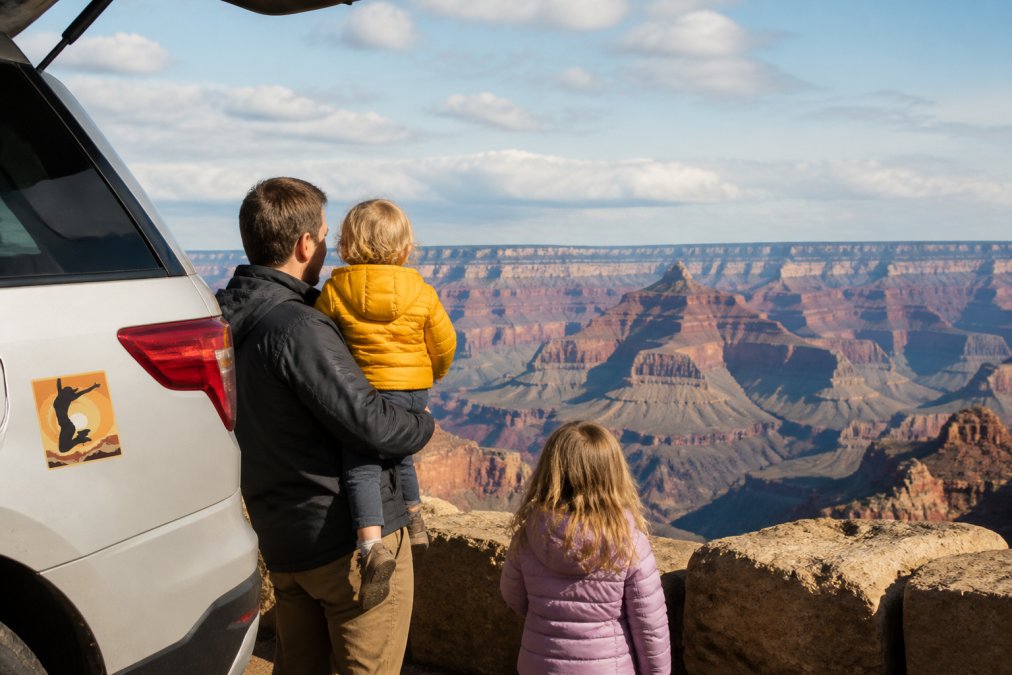
Safety barriers exist at many, but not all, South Rim viewpoints. Some overlooks have low walls or railings, while others have minimal protection. Never assume a viewpoint is fully secured. Before approaching any viewpoint with a toddler, scan the area for hazards, unprotected edges, gaps in railings, or steep drop-offs. Stay several feet back from edges, even when barriers are present. Toddlers move unpredictably, and a sudden dash toward a view can happen in seconds.
Park ranger programs often include safety briefings at the visitor center, which can reinforce awareness and help toddlers understand basic "stay close" rules in child-friendly language.
Child Safety Harnesses and Carrier Options
Many parents find that a child safety harness provides peace of mind at high-risk viewpoints. These lightweight harnesses attach to a parent's wrist or waist, allowing a toddler some independence while preventing wandering into dangerous areas. A harness is particularly useful for toddlers aged 18 months to 3 years.
Baby carriers remain the most practical option for toddlers too young or too tired to walk. Soft-structured carriers distribute weight evenly and leave your hands free to manage safety and steady yourself on uneven ground. A combination strategy works best: use a carrier for the walk to a viewpoint, set the toddler down to look briefly if the area is secure, then return to the carrier.
Stroller-Friendly Trails at Grand Canyon South Rim
Not all Grand Canyon trails accommodate strollers, but several paved paths offer accessible options for families with toddlers.
Paved Paths and Scenic Overlooks for Easy Walking
The Rim Trail is the most toddler-friendly option at the South Rim. The paved section between Mather Point and Yavapai Point stretches approximately 1.5 miles and features multiple scenic overlooks along the way. This path is relatively flat, well-maintained, and stroller-accessible.
Bright Angel Trail's lower section, specifically the paved area near the trailhead, allows stroller access for roughly 0.25 miles before the path becomes unpaved and steep. Mather Point Trail offers another paved option, looping approximately 0.5 miles through pinyon-juniper forest with canyon views.
These paved paths are day-use only, family-friendly walks designed for casual sightseeing rather than serious hiking.
Stroller Accessibility and Restroom Facilities
Stroller accessibility varies across the South Rim. Paved areas near visitor centers and major viewpoints accommodate strollers well, but many scenic overlooks require walking on gravel, dirt, or rocky terrain where standard strollers become impractical. All-terrain strollers with larger wheels and suspension perform better on unpaved surfaces.
Restroom facilities are critical when traveling with toddlers. The visitor center, Mather Point, Yavapai Point, and major viewpoints like Grand View Point have accessible restrooms. Plan your route with restroom access in mind. Changing tables are available at the visitor center and some restroom facilities; carry a portable changing pad as a backup.
Best Time of Year to Visit Grand Canyon with Kids
Timing your visit dramatically affects the experience. Off-season travel reduces crowds and provides more comfortable temperatures.
Off-Season vs. Peak-Season Logistics
Spring (March through May) and fall (September through November) offer the most favorable conditions for toddler visits. Temperatures at the South Rim range from the 50s to low 70s Fahrenheit, cool enough to prevent overheating but not so cold that layering becomes cumbersome (nps.gov). Crowds are noticeably lighter during these shoulder seasons.
Summer (June through August) brings peak visitation and daytime temperatures in the 80s. The inner canyon is substantially hotter, often exceeding 100 degrees, but the South Rim remains cooler (nps.gov). Still, the combination of heat, crowds, and intense sun makes summer challenging for families with toddlers.
Winter (December through February) offers solitude and cool temperatures, but snow and ice can affect road conditions and trail accessibility. Daytime temperatures often hover in the 40s, requiring significant layering.
Weather Fluctuations and Altitude Sickness Prevention
Temperature swings between sun and shade can be dramatic. Dress toddlers in layers so you can adjust as conditions change throughout the day.
Altitude sickness affects some visitors, particularly those arriving from sea level. Toddlers may become fussy or sleep poorly without clearly communicating altitude-related discomfort. If your family is arriving from a significantly lower elevation, plan a gentler first day and allow 24-48 hours for acclimatization.
The dry desert air at 7,000 feet causes rapid dehydration. Toddlers lose fluids faster than adults and may not communicate thirst clearly. Offer water frequently, far more often than you would at lower elevations.
Toddler Packing List for Grand Canyon Visits
Packing strategically ensures you have essentials without overstuffing.
Layered Clothing and Sun Protection Essentials
Bring multiple layers regardless of season. A light jacket, fleece, or sweater is essential even in warm months, since shaded areas and early morning can be cool.
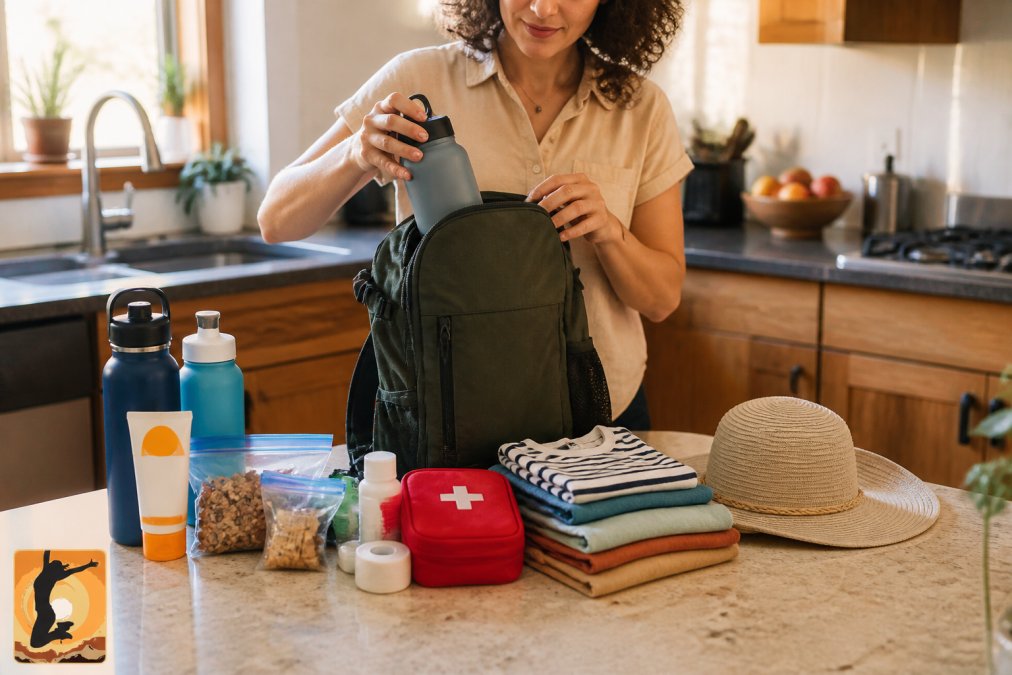
Sun protection is critical. The high elevation and reflective rock surfaces intensify UV exposure. Pack a wide-brimmed hat for each child and sunscreen rated SPF 50+, reapplied every two hours. Lightweight, long-sleeved clothing provides additional sun protection while allowing air circulation.
Sturdy, closed-toe shoes with good grip are essential. The terrain around viewpoints is rocky and uneven. Bring a backup pair in case one gets wet or uncomfortable.
Hydration, Snacks, and First Aid Kit Preparation
Carry significantly more water than you think necessary. A family with toddlers should bring at least 2-3 liters of water for a half-day visit, more for full-day trips.
Pack nutrient-dense snacks that don't require refrigeration: nut butter packets, dried fruit, cheese cubes, crackers, and granola bars. Avoid sugary snacks that cause energy crashes.
A basic first aid kit should include bandages, antibiotic ointment, pain reliever appropriate for toddlers, antihistamine for insect bites, and any medications your child takes regularly. Include blister treatment and tweezers for removing cactus spines.
Pack more diapers and wipes than you anticipate needing. Include a portable changing pad if your toddler still wears diapers.
Private Family Tours at the Grand Canyon
Private tours offer distinct advantages for families visiting the Grand Canyon with toddlers compared to group bus tours or self-guided visits.
Why Private Tours Work Better for Toddlers
Group bus tours operate on fixed schedules and routes that don't accommodate toddler needs. A toddler who needs a diaper change or becomes overwhelmed by crowds cannot pause the tour. Private tours eliminate these constraints. A guide works within your family's rhythm, pausing when a toddler needs rest, adjusting the itinerary if a child becomes overwhelmed, and managing the pace to match your group's comfort level.
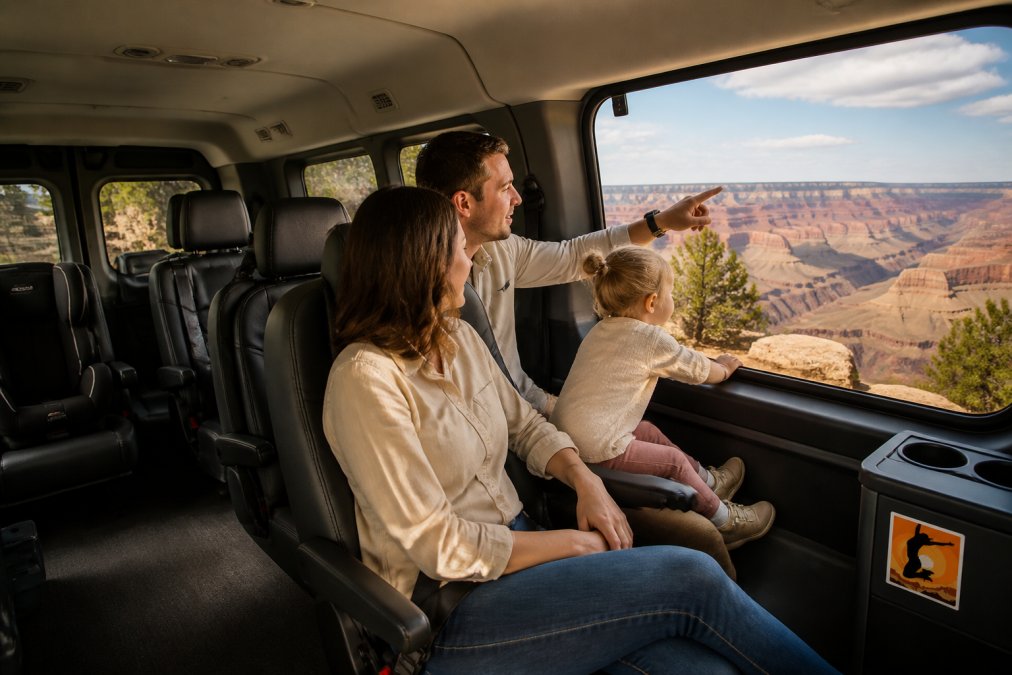
Transportation matters significantly. Group buses are large and crowded, with limited space for strollers and gear. Private tour vehicles like the upgraded Ford Transit vans used by Grand Canyon Journeys offer comfortable seating with flexible legroom, allowing families to spread out and manage toddler comfort during drives.
A private guide can provide personalized information relevant to your interests and recommend the most toddler-friendly viewpoints and timing strategies to avoid crowds.
Flexible Pace and Nap Schedule Management
Toddler nap schedules are non-negotiable. A child who misses a nap becomes overtired, irritable, and difficult to manage. Group tours don't accommodate nap timing; private tours do.
A private guide can adjust the itinerary to align with your toddler's nap window. If your child typically naps from 1 to 3 p.m., the guide can schedule major activities before that time, then visit less demanding viewpoints afterward. This flexibility extends to meal timing as well, private tours can stop for meals when your family is ready.
A private guide recognizes when a child is reaching physical limits and suggests rest breaks before the child becomes overwhelmed, preventing the situation where a toddler melts down from exhaustion.
Essential Gear and Logistical Planning
Successful visits depend on having appropriate gear and understanding how to navigate the South Rim's infrastructure.
Baby Carriers, Strollers, and Shuttle Bus Navigation
Choosing between a baby carrier and a stroller depends on your toddler's age and planned activities. Carriers are ideal for toddlers under 25-30 pounds who can't walk long distances. Strollers work well for toddlers who can walk but tire easily, though stroller accessibility is limited to paved areas and major viewpoints. Many families use both.
The South Rim operates a shuttle bus system connecting major viewpoints. The Village Route, Canyon View Information Plaza Route, and Kaibab/Rim Route provide transportation without requiring personal vehicle use. Shuttle buses accommodate strollers, though space is limited during peak times. Carriers are more practical if shuttles are crowded. Understanding the shuttle system before arrival helps you plan efficiently. Private tours bypass shuttle constraints entirely, which many families find worth the investment.
Dining Options and National Park Pass Information
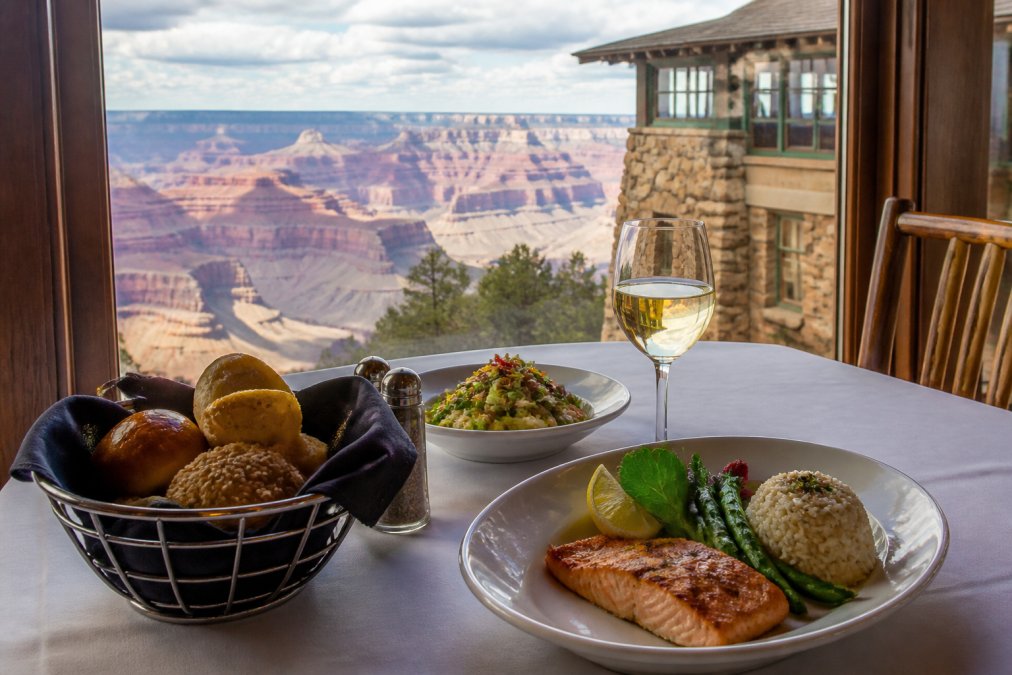
Dining options at the South Rim are limited compared to typical tourist destinations. The visitor center area has a small café, and the historic El Tovar offers upscale dining, but neither location is optimized for toddlers.
Pack substantial snacks and meals rather than relying on on-site dining. Picnic areas with tables and shade are available throughout the South Rim, making packed meals practical and often more satisfying for toddlers.
A National Park Pass grants unlimited access to all national parks for one year. Individual entrance fees are reasonable for single visits. Passes are purchased at the park entrance; online purchase is available but doesn't eliminate the entrance station stop.
Preparing for Emergencies and Visitor Center Resources
Understanding emergency protocols and available resources ensures you're prepared for unexpected situations.
Toddler-Specific Medical Protocols and Park Ranger Programs
The South Rim has limited medical facilities. The Grand Canyon Clinic provides basic care, but serious emergencies require helicopter evacuation to Flagstaff or Phoenix. This reality underscores the importance of prevention, keeping toddlers safe, hydrated, and well-rested reduces emergency risk.
Toddler-specific concerns include dehydration, altitude-related symptoms, and minor injuries. Dehydration presents as irritability, reduced urination, and lethargy; address it immediately by increasing fluid intake. Altitude sickness symptoms include headache and nausea; descent to lower elevation is the primary treatment, though most toddlers acclimatize within 24-48 hours.
Minor injuries, scrapes, small cuts, insect bites, are common. Your first aid kit should address these. Larger injuries or symptoms that concern you warrant a visit to the clinic or a call to park rangers.
Park ranger programs include interpretive talks, guided walks, and educational presentations. Many are toddler-friendly and provide context about the Grand Canyon's geology, ecology, and cultural history. The visitor center offers exhibits, restrooms, water fountains, and ranger assistance. Spending 30-45 minutes at the visitor center early in your visit allows toddlers to acclimate to the environment and use facilities.
Visiting the Grand Canyon with toddlers demands intentional planning and realistic expectations, but the experience creates lasting memories for families. The key is prioritizing safety, managing fatigue, and building flexibility into your itinerary. Grand Canyon Journeys specializes in private family tours that adapt to toddler pacing and needs, eliminating shuttle schedules, accommodating nap times, and providing personalized guidance throughout your visit. With proper preparation, appropriate gear, and a willingness to move at your toddler's pace, the Grand Canyon becomes an accessible and rewarding destination for young families. Grand Canyon Journeys private family tours to discover how a customized experience transforms a potentially overwhelming day into something genuinely memorable.
Frequently Asked Questions
What is a good age to take toddlers to the Grand Canyon?
Toddlers as young as 18 months can visit the Grand Canyon South Rim, though children ages 3 and up typically have an easier time enjoying the experience. At 7,000 feet elevation, younger toddlers may fatigue more quickly, so plan shorter outings and flexible nap schedules. Private tours allow you to adjust your pace to your child's needs, making them ideal for managing toddler energy levels and preventing overstimulation in crowds.
Are there stroller-friendly trails at the Grand Canyon South Rim?
Yes, several paved paths accommodate strollers along the rim. The Rim Trail offers accessible sections with scenic overlooks, and many viewpoints have paved parking areas and restroom facilities nearby. Before your visit, confirm current stroller accessibility with the visitor center, as trail conditions can change seasonally. Strollers work best on flat, paved sections rather than uneven terrain, so plan your walking route accordingly.
What should I pack for a toddler visiting the Grand Canyon?
Pack layered clothing since temperatures can fluctuate significantly at 7,000 feet elevation, especially between sun and shade. Include a high-SPF sunscreen, a wide-brimmed hat, and lightweight long sleeves for sun protection. Bring a large water bottle or hydration pack, portable snacks (crackers, fruit, granola bars), a first aid kit with blister treatment, and any medications your child takes regularly. Don't forget a lightweight baby carrier as a backup if your toddler tires during walking.
Why should families choose a private tour instead of shuttle buses?
Private family tours offer flexibility that shuttle buses cannot match. You control the pace, can stop whenever your toddler needs a break or snack, and avoid crowded buses that can overwhelm young children. With a private guide and vehicle, your family can manage nap schedules, adjust your itinerary on the fly, and enjoy a more personalized experience tailored to your child's comfort and interests.
This article was written using GrandRanker