 listicle
Why Visit Grand Canyon with Teens: A Family Guide
Table of Contents
- Why Visit Grand Canyon with Teens: The Real Appeal
- Best Things to Do at Grand Canyon with Teens
- How Many Days for Grand Canyon Family Trip
- Tips for Visiting Grand Canyon with Teenagers
- Grand Canyon Day Trip from Sedona and Other Northern Arizona Towns
- Why Teens Remember This Experience
- Frequently Asked Questions
Last Updated: September 26, 2026
Why Visit Grand Canyon with Teens: The Real Appeal
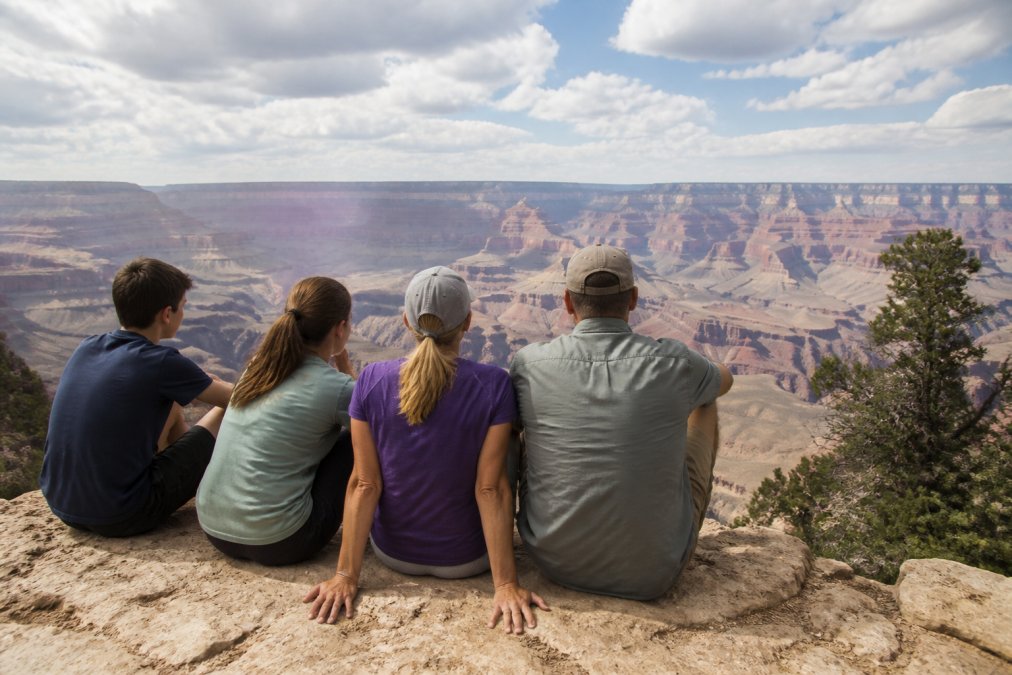
When you visit Grand Canyon with teens, it isn't about keeping them occupied for a day. It's about giving them something that feels genuinely significant, a landscape so vast and geologically complex that it shifts how they see the world. Teenagers are at an age where they're developing their own sense of what matters, and the canyon forces that conversation. Unlike theme parks or standard tourist destinations, the Grand Canyon demands attention. The scale alone, 277 miles long, over a mile deep, makes scrolling through a phone feel pointless.
The South Rim sits at approximately 7,000 feet in elevation, which creates a completely different experience than lower desert areas. That altitude, combined with the raw geology visible in every direction, gives teens something real to engage with. They're not being entertained; they're being challenged. According to research from the National Park Service on visitor experiences, teenagers who visit the canyon often report it as a defining moment in how they think about natural landscapes and time itself.
Grand Canyon Journeys specializes in private tours that let families move at their own pace. Rather than following a rigid itinerary designed for mixed-age groups, a private tour adapts to what genuinely interests the teenagers in your group. That flexibility transforms the experience from obligatory sightseeing into actual exploration.
The educational component matters too. Ranger programs, geological formations, and Native American heritage sites turn the visit into something deeper than photos at scenic overlooks. Teens who engage with these elements often leave with a stronger understanding of Earth's history and the cultures that have inhabited this region for centuries.
Best Things to Do at Grand Canyon with Teens
Teenagers respond to activities that feel authentic rather than manufactured. The canyon offers plenty of both, but the ones that hold teen interest longest are those where they have agency in the experience.
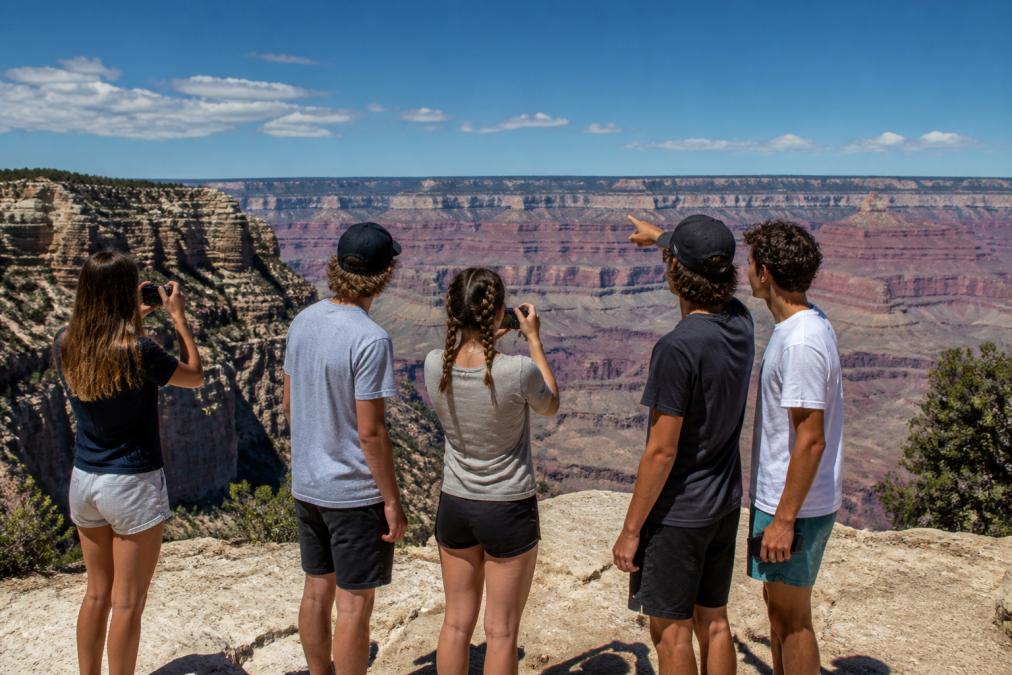
Hiking Trails That Hold Teen Interest
Not all trails are created equal for teenage hikers. The Rim Trail offers a gentler introduction, mostly paved sections with dramatic viewpoints and manageable elevation changes. Teenagers can walk sections of it without feeling like they're on a forced march, and they control how far they go. The trail stretches 13 miles total, but teens can tackle 2-4 mile segments and feel accomplished without overcommitting.
For teens with more hiking experience, the South Kaibab Trail presents a genuine challenge. The trail descends 3,000 feet over 3 miles, offering views that get progressively more dramatic as you descend. The key with this trail is pacing and hydration, the sun exposure is intense, and the canyon floor is substantially hotter than the rim. Starting early and bringing adequate water isn't optional; it's essential.
Bright Angel Trail offers another option, with rest houses positioned at regular intervals. These shelter structures give hikers a legitimate reason to stop and recover, which teenagers often appreciate more than an arbitrary "let's rest here" moment. The psychological difference between a rest house and sitting on a rock matters for teen motivation.
The critical factor across all hiking is preparation. Teenagers underestimate how the combination of elevation, sun exposure, and exertion affects their bodies. Starting with shorter trails and building up creates confidence rather than resentment.
Adventure Activities Beyond Standard Sightseeing
Mule rides remain popular, though they're not for every teen. The experience involves trusting an animal to navigate narrow canyon trails, which appeals to some and terrifies others. The rides themselves move slowly, safety is the priority, so the experience is more about the novelty than the adrenaline.
Ziplining exists at certain locations near the canyon, offering a completely different kind of engagement. The combination of height, speed, and the canyon backdrop creates a memorable moment that feels different from hiking or viewing. For teens who respond to physical sensation and a sense of accomplishment, this activity delivers.
Ranger-led programs often include activities like geology talks, wildlife spotting, and cultural demonstrations. These aren't passive lectures. Good rangers turn geological formations into detective work, asking teens to identify rock layers and interpret what they reveal about Earth's history.
Ranger Programs and Educational Moments
The National Park Service employs rangers specifically trained to engage visitors of all ages. Their programs range from 15-minute informal talks at viewpoints to structured hour-long presentations at visitor centers. The best programs for teens are the ones where rangers ask questions rather than deliver monologues.
Geological education at the canyon isn't abstract. Teens can literally see 1.8 billion years of Earth's history exposed in the rock layers. Ranger talks explain what those layers represent, ancient oceans, volcanic activity, erosion patterns. When a ranger points to a specific layer and says "that's from when this area was underwater," it connects to something tangible that teenagers can see with their own eyes.
Cultural programs highlighting Native American heritage add another dimension. The canyon is sacred to multiple tribes, and understanding that perspective shifts how teens interpret the landscape. It moves the experience beyond geology into human history and ongoing cultural significance.
How Many Days for Grand Canyon Family Trip
The answer depends on what teenagers in the group actually want from the experience. A rushed visit checks boxes. A properly paced visit creates memory and understanding.
One-Day Itinerary: Maximizing Limited Time
A single day works if the goal is seeing the canyon and understanding its basic scale. Start at the South Rim early, arriving by mid-morning gives time before afternoon heat peaks. Spend the first hour at a major viewpoint like Mather Point or Grand View, where the scale becomes immediately apparent.
From there, a combination of driving to multiple viewpoints and walking short sections of the Rim Trail fills the day productively. The Rim Trail between Mather Point and Yavapai Geology Museum (about 1.5 miles) offers excellent views without requiring serious hiking commitment. Moving to additional viewpoints like Hopi Point or Desert View adds variety without requiring backtracking.
Lunch at a rim location, whether a casual café or a packed meal at a viewpoint, keeps momentum going. Afternoon hours often bring clearer visibility across the canyon as light angles change. A ranger program in the late afternoon, if timing allows, provides educational context that ties the day together.
The limitation of one day is depth. Teenagers see the canyon but don't truly experience it. They get photos and a sense of accomplishment, but not transformation.
Two to Three Days: The Sweet Spot for Teen Engagement
Two days allows for meaningful hiking, ranger programs, and actual reflection. The first day can include rim viewing, shorter trails, and a ranger program. The second day can focus on a more substantial hike like sections of Bright Angel Trail or South Kaibab Trail, with time for the teenager to process what they're experiencing.
Three days adds breathing room. It allows for a rest day, a serious hiking day, and a day focused on educational programs or alternative activities like mule rides. The psychological benefit of three days is significant, teenagers stop rushing and start noticing details. They see wildlife. They pay attention to light changes. They ask better questions.
Many families find that two to three days hits the balance between meaningful experience and logistical feasibility.
Tips for Visiting Grand Canyon with Teenagers
Success at the canyon depends more on preparation than luck. Teenagers who arrive unprepared get frustrated. Those who understand what to expect tend to engage more fully.
Preparation and Pacing Strategies
Discuss the visit beforehand. Show teenagers photos of the canyon, explain what elevation means in practical terms, and let them research what activities interest them most. Teenagers who have agency in planning tend to be more invested in the experience.
Managing Elevation, Heat, and Hydration
The South Rim's 7,000-foot elevation affects people differently. Some teenagers notice it immediately; others adapt quickly. The key is recognizing that altitude, combined with sun exposure and physical exertion, creates cumulative stress on the body.
Digital Detox and Finding Connection
The canyon offers a rare opportunity for teenagers to disconnect from devices without it feeling like punishment. The scale of the landscape makes screens feel irrelevant. That shift, from constant digital engagement to actual presence, is valuable in ways that are hard to quantify.
Grand Canyon Day Trip from Sedona and Other Northern Arizona Towns
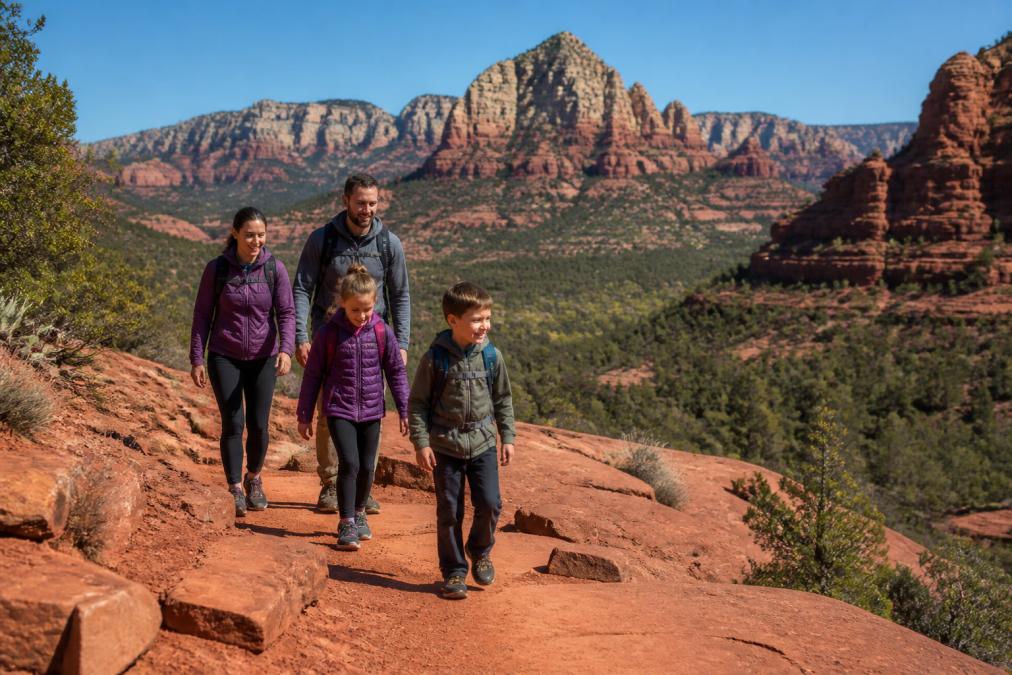
The canyon's proximity to Northern Arizona communities makes day trips feasible. Sedona, Flagstaff, Williams, and Tusayan all serve as reasonable departure points, though travel time varies significantly.
Why Teens Remember This Experience
The Grand Canyon creates memory through scale and authenticity. Teenagers who visit often report it as a moment when they understood something larger than their immediate world. That understanding, of geological time, of landscape, of human smallness within something vast, doesn't fade quickly.
Frequently Asked Questions
What makes the Grand Canyon engaging for teenagers compared to other family destinations?
The Grand Canyon offers teenagers a sense of scale and natural drama that feels genuinely impressive rather than manufactured. Unlike theme parks or typical tourist attractions, the canyon challenges their perception of what Earth can look like. Teens respond to the combination of physical activity, real geological science, and the opportunity to explore at their own pace. The elevation and vastness also create natural conversation starters and moments of genuine awe that translate into memorable experiences they want to share.
How many days should we plan for a Grand Canyon family trip with teenagers?
One full day works for a solid introduction, but two to three days allows teens to experience the canyon's different facets without feeling rushed. A single day captures the iconic viewpoints and lets them hike a moderate trail. Adding a second day opens up less-crowded vistas, more substantial hiking options, and opportunities for ranger programs or evening activities. Three days gives time for deeper exploration, different times of day at the rim, and a more relaxed pace that reduces fatigue and frustration, especially important for teens who may be less enthusiastic about travel initially.
What's the cancellation policy if our teen trip plans change?
Grand Canyon Journeys offers a full refund when you cancel at least 24 hours before your scheduled departure. This gives you flexibility to adjust plans if something unexpected comes up, without worrying about losing your entire investment. Contact the company directly to confirm your booking details and cancellation terms.